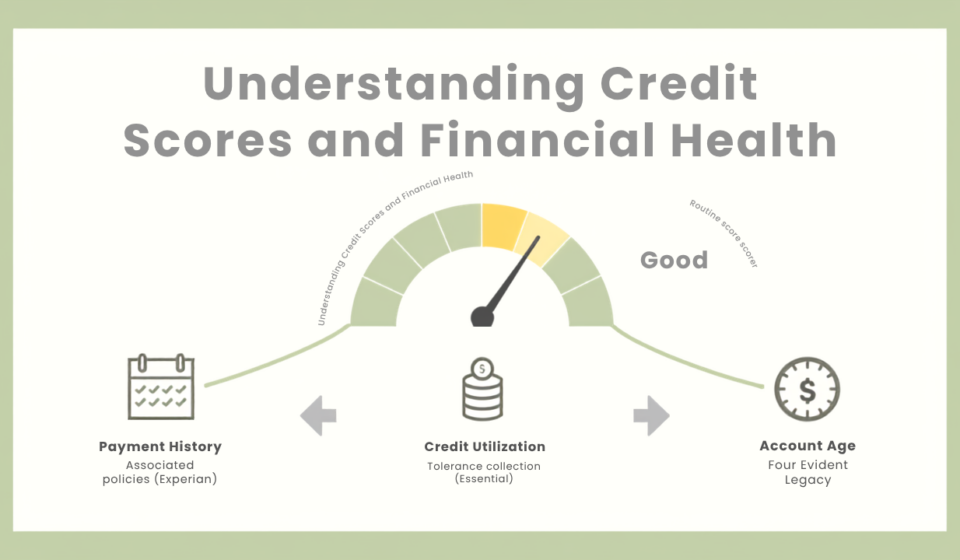

Financial health is much like physical health. Small daily habits gradually build a strong foundation, while neglecting important responsibilities can create long-term challenges. One of the most important indicators of financial well-being is your credit score. Although it may seem like just a three-digit number, it represents your financial reliability and plays a significant role in many aspects of modern life.
Whether you are planning to buy a home, finance a vehicle, apply for a personal loan, or simply improve your financial future, understanding credit scores can help you make better decisions. A healthy credit profile often leads to lower borrowing costs, greater financial flexibility, and increased confidence when managing money.
This guide explains what credit scores are, how they work, what influences them, and the practical steps you can take to maintain strong financial health.
What Is a Credit Score?
A credit score is a numerical representation of your creditworthiness. It helps lenders estimate the likelihood that you will repay borrowed money on time. Financial institutions use this score as one of several factors when evaluating loan or credit card applications.
Credit scores are generally based on information found in your credit report, including your borrowing history, repayment habits, and existing financial obligations.
Although different scoring models exist, most credit scores typically fall within a defined range where higher scores indicate lower lending risk.
For example, imagine two individuals applying for the same loan. One has consistently paid bills on time for several years, while the other frequently misses payments. Even if both earn similar incomes, the borrower with the stronger repayment history is likely to receive more favorable loan terms.
Why Credit Scores Matter
A credit score affects far more than loan approvals. It can influence many financial opportunities throughout your life.
Some common situations where credit scores may play an important role include:
- Applying for home loans
- Personal loan approvals
- Credit card eligibility
- Auto financing
- Interest rate determination
- Credit limit decisions
- Financial planning opportunities
A higher credit score often results in lower interest rates, reducing the total amount paid over the life of a loan. Even a small difference in interest rates can translate into significant savings.
Strong credit also demonstrates financial discipline, making lenders more confident in your ability to manage debt responsibly.
Understanding Financial Health Beyond Credit Scores
While credit scores are important, they represent only one part of your overall financial health.
Financial health refers to your ability to manage income, expenses, savings, debt, and long-term financial goals. Someone with an excellent credit score but no emergency savings may still face financial challenges during unexpected situations.
Healthy financial management usually includes:
- Regular savings
- Responsible borrowing
- Timely bill payments
- Controlled spending
- Long-term financial planning
- Emergency preparedness
A balanced approach helps improve both financial stability and creditworthiness.
Factors That Influence Credit Scores
Understanding the components that influence credit scores makes it easier to build healthy financial habits.
Payment History
Payment history is often considered the most influential factor.
Lenders want evidence that borrowers consistently repay debts as agreed. Making payments on or before the due date demonstrates reliability.
Even a single missed payment may affect your credit profile, especially if payments become overdue for an extended period.
Setting automatic payments or calendar reminders can help reduce the risk of missed due dates.
Credit Utilization
Credit utilization refers to how much of your available credit you are currently using.
Suppose your total credit limit is $10,000 and your outstanding balance is $2,500. Your credit utilization ratio would be 25%.
Lower utilization generally reflects responsible credit management. High balances may suggest financial stress, even if payments are made on time.
Many financial experts recommend maintaining relatively low credit utilization whenever possible.
Length of Credit History
The age of your credit accounts also contributes to your credit profile.
Long-established accounts provide lenders with more information about your financial behavior over time.
Keeping older accounts open, when appropriate, may contribute positively to your credit history.
Types of Credit
A healthy mix of different credit products can demonstrate experience managing various financial responsibilities.
Examples include:
- Credit cards
- Home loans
- Auto loans
- Education loans
- Personal loans
Managing multiple types of credit responsibly may strengthen your overall profile.
New Credit Applications
Every time you apply for certain forms of credit, lenders may review your credit report.
Submitting numerous applications within a short period can indicate increased borrowing risk.
Applying for credit only when genuinely needed helps maintain a more stable credit profile.
Common Credit Score Myths
Many misconceptions surround credit scores.
Myth 1: Checking Your Own Credit Score Lowers It
Reviewing your own credit report through authorized methods generally does not negatively affect your score.
In fact, regularly monitoring your credit helps identify errors and detect suspicious activity.
Myth 2: Income Determines Your Credit Score
Income and credit scores are separate financial measures.
A high income does not automatically result in a high credit score. Responsible borrowing and consistent repayment habits matter far more.
Myth 3: Carrying Credit Card Debt Improves Your Score
Some people believe maintaining unpaid balances strengthens credit scores.
In reality, paying balances responsibly while keeping utilization low is generally a healthier financial practice.
Myth 4: Closing Old Accounts Always Helps
Closing older accounts may reduce your available credit and shorten your average credit history, depending on your overall financial profile.
Before closing accounts, consider how they contribute to your overall credit picture.
Real Life Example of Credit Building
Consider a recent college graduate named Maya.
When Maya received her first credit card, she used it only for monthly grocery shopping and transportation expenses. She paid the entire balance before each due date and avoided unnecessary purchases.
After two years of consistent payment behavior, her credit profile became much stronger. When she later applied for a vehicle loan, she qualified for a lower interest rate than many first-time borrowers.
Her success did not come from earning an exceptionally high income. Instead, it resulted from disciplined financial habits practiced consistently over time.
This example highlights how small daily decisions gradually influence long-term financial outcomes.
Practical Ways to Improve Your Credit Score
Improving credit scores usually requires patience rather than quick fixes.
Pay Bills Consistently
Making every payment on time remains one of the most effective strategies.
Automatic payments and reminders can simplify this process.
Reduce Outstanding Debt
Gradually paying down balances lowers credit utilization and demonstrates responsible financial management.
Focus on high-interest debt first whenever possible.
Avoid Excessive Borrowing
Only apply for new credit when necessary.
Carefully evaluating financial needs before borrowing helps prevent unnecessary debt accumulation.
Monitor Credit Reports
Reviewing credit reports periodically helps identify reporting errors, outdated information, or potential identity theft.
Correcting inaccuracies may improve your credit profile.
Maintain Older Accounts
Long-standing credit accounts often contribute valuable history.
Keeping well-managed accounts active may benefit your overall credit profile.
Financial Habits That Support Long-Term Success
Strong financial health extends beyond credit management.
Developing healthy money habits creates lasting financial security.
Important habits include:
Creating a Monthly Budget
Tracking income and expenses helps ensure spending aligns with financial goals.
Budgets also reveal opportunities to increase savings or reduce unnecessary expenses.
Building an Emergency Fund
Unexpected expenses can occur at any time.
Emergency savings reduce dependence on loans or credit cards during financial emergencies.
Many financial planners recommend gradually building several months of living expenses.
Saving Consistently
Even modest monthly contributions can grow significantly over time through disciplined saving.
Consistency often matters more than the initial amount.
Managing Debt Responsibly
Borrow only what you can comfortably repay.
Understanding repayment obligations before accepting debt supports healthier long-term finances.
How Credit Scores Influence Major Financial Decisions
Credit scores often affect significant milestones throughout adulthood.
Buying a Home
Mortgage lenders frequently evaluate credit history before approving home loans.
Higher credit scores may improve borrowing options and reduce financing costs.
Financing a Vehicle
Auto loan interest rates often vary according to creditworthiness.
Better credit may translate into lower monthly payments.
Starting a Business
Entrepreneurs sometimes rely on personal credit when securing business financing, especially during early stages.
Strong personal credit may increase access to funding opportunities.
Future Financial Flexibility
Maintaining healthy credit provides greater flexibility when unexpected opportunities or challenges arise.
Whether financing education, purchasing property, or expanding investments, strong credit can simplify important financial decisions.
Warning Signs of Poor Financial Health
Recognizing financial warning signs early allows corrective action before problems become more serious.
Some indicators include:
- Frequently missing payment deadlines
- Increasing credit card balances
- Constant reliance on borrowed funds
- Lack of emergency savings
- Difficulty managing monthly expenses
- Taking on new debt to repay existing debt
Addressing these issues promptly can improve both financial health and credit standing over time.
Frequently Asked Questions
What is considered a good credit score?
The definition of a good credit score varies depending on the scoring model and lender. In general, higher scores indicate lower lending risk and may improve access to favorable borrowing terms.
How long does it take to improve a credit score?
Credit improvement depends on individual financial circumstances. Consistent on-time payments, lower debt levels, and responsible credit use can gradually strengthen your score over several months or longer.
Can I build credit without taking large loans?
Yes. Responsible use of smaller credit products, timely repayments, and maintaining low balances can help establish a positive credit history.
Does paying off debt immediately guarantee a perfect credit score?
Paying off debt is beneficial, but credit scores consider multiple factors, including payment history, credit age, utilization, and account management over time.
Understanding credit scores is an important step toward building lasting financial health. While the number itself reflects your borrowing history, it also represents the financial habits you develop every day. Paying bills on time, managing debt responsibly, maintaining reasonable credit utilization, and planning for future financial needs all contribute to a stronger financial profile. Rather than focusing on quick improvements, adopting consistent money management practices provides long-term benefits. A healthy credit score, combined with sound financial planning, creates greater confidence, expands financial opportunities, and supports informed decisions that contribute to lasting financial stability.