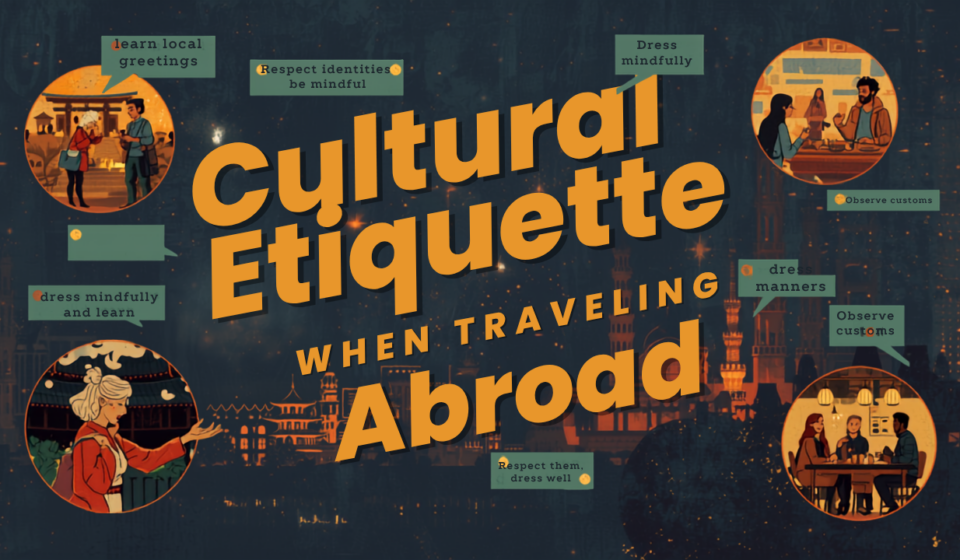

Traveling to another country is one of the best ways to experience new cultures, traditions, and lifestyles. Every destination has its own customs, values, and social expectations that shape daily life. While exploring famous landmarks and tasting local cuisine are exciting parts of any journey, understanding cultural etiquette is equally important. Simple actions such as greeting someone properly, respecting local dress codes, or following dining traditions can create meaningful interactions and help travelers avoid unintentional misunderstandings.
Learning about cultural etiquette before a trip demonstrates respect for local communities. It also enhances travel experiences by making conversations smoother, building trust with residents, and encouraging positive cultural exchange. Whether traveling for leisure, education, or business, understanding local customs helps create memorable experiences while showing appreciation for the people and traditions that make each destination unique.
Why Cultural Etiquette Matters While Traveling
Every society develops customs based on history, religion, geography, and community values. These traditions influence everything from greetings and communication styles to table manners and personal space.
Imagine visiting Japan and bowing in return when someone greets you instead of immediately offering a handshake. Or consider removing your shoes before entering someone’s home in many Asian countries. These small gestures demonstrate awareness and respect, often leading to warmer interactions with local people.
Research in tourism studies consistently highlights that culturally respectful travelers enjoy stronger connections with local communities and contribute positively to sustainable tourism. Respectful behavior not only benefits travelers but also helps preserve cultural heritage for future generations.
Benefits of Understanding Local Customs
- Builds trust with local communities.
- Reduces the risk of accidental offense.
- Improves communication.
- Creates authentic cultural experiences.
- Encourages responsible and sustainable tourism.
- Makes travel more enjoyable and stress-free.
Learn Basic Greetings Before You Arrive
One of the easiest ways to show respect is by learning a few words in the local language. Even simple phrases demonstrate genuine interest in the culture.
Useful phrases include:
- Hello
- Thank you
- Please
- Excuse me
- Sorry
- Goodbye
For example, saying “Bonjour” in France, “Arigato” in Japan, or “Gracias” in Spain often receives a friendly response. Local people generally appreciate the effort, even if pronunciation is not perfect.
Greeting customs also vary widely. In some countries, people bow. Others greet with handshakes, cheek kisses, or slight nods. Observing local behavior before initiating greetings can help avoid awkward situations.
Respect Local Dress Codes
Clothing expectations differ significantly around the world. While casual clothing may be acceptable in some destinations, others require modest attire, especially in religious or traditional settings.
Visitors to temples, churches, mosques, and monasteries are often expected to cover their shoulders and knees. Some locations may require women to wear head coverings or both men and women to remove shoes before entering sacred spaces.
Planning appropriate clothing before traveling helps ensure access to cultural attractions while demonstrating respect for local beliefs.
Dress Code Considerations
Religious Sites
Carry a lightweight scarf or shawl that can easily cover shoulders or the head when required.
Rural Communities
Traditional villages often maintain conservative dress expectations compared to large cities.
Beach Areas
Beachwear is usually acceptable only near the beach. Wearing swimsuits in restaurants or city centers may be considered inappropriate in many countries.
Understand Dining Etiquette
Food represents an important part of cultural identity. Dining customs differ across regions, making it worthwhile to understand local expectations before sharing meals.
In some Asian countries, chopsticks should never be placed upright in a bowl of rice because the gesture resembles funeral rituals. In parts of the Middle East and India, eating with the right hand is considered respectful since the left hand traditionally serves different purposes.
In Italy, ordering a cappuccino after lunch is uncommon, while tipping customs vary widely around the world. Understanding these traditions helps travelers enjoy meals with confidence.
Common Dining Etiquette Tips
- Wait until everyone is served before eating.
- Observe whether hosts begin the meal first.
- Avoid wasting food.
- Follow local tipping practices.
- Use utensils according to local customs.
- Express gratitude after meals.
Respect Religious and Cultural Traditions
Religion influences daily life in many countries. Festivals, prayer times, ceremonies, and sacred locations deserve respectful behavior from visitors.
Photography restrictions may apply inside religious buildings or during ceremonies. Always ask permission before taking photographs of worshippers or religious events.
During Ramadan in Muslim-majority countries, eating or drinking publicly during daylight hours may be discouraged in certain places. Being aware of these customs helps travelers avoid unintentionally disrespectful behavior.
Be Mindful of Personal Space
Personal space differs significantly between cultures.
People in Northern Europe often value greater physical distance during conversations, while individuals in parts of Latin America or the Middle East may naturally stand closer.
Instead of assuming your own cultural norms apply everywhere, observe local interactions and adjust accordingly.
Understanding these differences helps conversations feel more comfortable and respectful.
Learn Local Communication Styles
Communication extends beyond spoken language.
Facial expressions, hand gestures, eye contact, silence, and body language all carry cultural meaning.
For example:
- Maintaining strong eye contact signals confidence in some cultures.
- In other cultures, prolonged eye contact may appear disrespectful.
- A thumbs-up gesture is positive in many countries but offensive in others.
- Pointing with one finger may be considered rude in certain regions.
Watching how local people communicate provides valuable guidance for respectful interactions.
Practice Active Listening
Listening carefully demonstrates respect across all cultures. Allow others to finish speaking without interruption and remain open to different viewpoints.
Curiosity combined with patience creates better conversations than making assumptions.
Ask Permission Before Taking Photos
Modern travel often includes sharing photographs on social media. However, photographing people without permission can invade privacy or violate cultural norms.
Before taking someone’s picture:
- Smile politely.
- Ask for permission.
- Accept refusal gracefully.
- Respect photography restrictions.
Many local artisans, performers, and community members appreciate being asked first rather than photographed unexpectedly.
Understand Gift Giving Customs
Gift-giving traditions vary widely.
In Japan, beautifully wrapping gifts reflects thoughtfulness. In China, certain numbers or colors carry symbolic meanings. In some countries, gifts are opened immediately, while elsewhere they are opened privately.
Business travelers especially benefit from researching local gift etiquette before meetings or cultural exchanges.
Respect Environmental and Cultural Heritage
Responsible tourism extends beyond interacting with people.
Historic monuments, archaeological sites, wildlife areas, and sacred landscapes deserve careful treatment.
Simple habits include:
- Staying on marked trails.
- Avoiding littering.
- Not touching ancient artwork.
- Following conservation rules.
- Supporting local businesses.
- Purchasing authentic handmade products instead of illegal artifacts.
These actions help preserve cultural and natural heritage for future generations.
Learn About Local Laws
Legal expectations differ worldwide.
Something perfectly acceptable at home may carry fines or legal consequences elsewhere.
Examples include:
- Restrictions on drones.
- Smoking regulations.
- Alcohol consumption rules.
- Photography limitations.
- Public behavior expectations.
- Wildlife protection laws.
Reading official travel guidance before departure helps travelers remain informed throughout their journey.
Show Patience and Flexibility
Travel rarely goes exactly as planned.
Language barriers, transportation delays, unfamiliar customs, and cultural differences all become part of the adventure.
Approaching these situations with patience rather than frustration creates more positive experiences.
A traveler who remains flexible often discovers unexpected opportunities to learn about local traditions and build meaningful connections.
Real Life Example of Cultural Awareness
Consider a traveler visiting South Korea for the first time. During dinner with local colleagues, they notice everyone waits until the oldest person begins eating before touching their own meal. By quietly observing and following this custom, the traveler shows respect without needing extensive prior knowledge.
Similarly, a family visiting Morocco learns to accept traditional mint tea when welcomed into a local home. Accepting the hospitality strengthens the interaction and provides a deeper understanding of local culture.
These simple moments often become the most memorable parts of international travel.
Practical Tips Before Your Trip
Preparing for cultural etiquette does not require extensive study.
Instead, focus on learning:
- Common greetings.
- Local dress expectations.
- Dining customs.
- Religious traditions.
- Public behavior.
- Transportation etiquette.
- Photography rules.
- Currency and tipping practices.
- Emergency contact information.
- Basic cultural taboos.
Spending even an hour researching these topics before departure can greatly improve the overall travel experience.
Frequently Asked Questions
What is cultural etiquette in travel?
Cultural etiquette refers to the customs, traditions, behaviors, and social expectations that visitors should follow to show respect while traveling in another country.
Why is cultural etiquette important?
Respecting local customs improves communication, reduces misunderstandings, strengthens relationships with local communities, and contributes to responsible tourism.
How can travelers prepare before visiting another country?
Travelers can research greetings, dining customs, dress codes, local laws, transportation etiquette, and religious practices before departure.
Is it acceptable to make cultural mistakes?
Most local people understand that visitors may not know every custom. Demonstrating respect, apologizing sincerely if needed, and showing willingness to learn are usually appreciated.
Travel offers much more than visiting famous attractions. It creates opportunities to learn from different cultures, appreciate diverse perspectives, and develop meaningful human connections. Understanding cultural etiquette allows travelers to participate respectfully in local traditions while avoiding misunderstandings that can arise from unfamiliar customs.
Small actions such as learning a greeting, dressing appropriately, respecting religious practices, following dining etiquette, and asking permission before taking photographs demonstrate genuine cultural awareness. These thoughtful behaviors enrich personal travel experiences while contributing to positive relationships between visitors and host communities. By approaching every destination with curiosity, humility, and respect, travelers not only gain unforgettable memories but also help promote responsible tourism that celebrates and preserves the world’s rich cultural diversity.