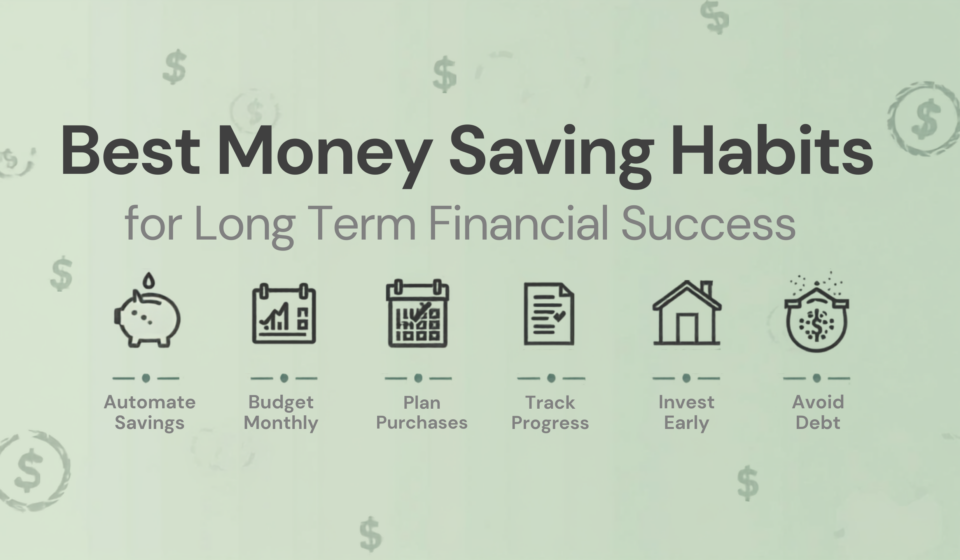

Building wealth is not always about earning a huge salary. In reality, many financially successful people achieve their goals because of consistent money-saving habits rather than extraordinary income. Small financial decisions made every day can create a significant impact over time, helping individuals enjoy greater financial security, reduced stress, and the freedom to pursue personal goals.
Whether you are saving for a home, planning retirement, preparing for emergencies, or simply trying to live comfortably, developing smart financial habits is one of the best investments you can make. The key is consistency. Saving money is less about sacrifice and more about creating a lifestyle where your financial choices align with your future goals.
This guide explores the best money-saving habits for long-term financial success, explains why they work, and shares practical strategies that anyone can start using today.
Why Good Money Saving Habits Matter
Financial success rarely happens overnight. Instead, it grows through years of thoughtful planning, disciplined spending, and regular saving.
Healthy money habits help you:
- Build financial security
- Reduce financial stress
- Prepare for emergencies
- Avoid unnecessary debt
- Reach long-term goals faster
- Enjoy greater financial freedom
- Improve overall quality of life
According to many financial experts, consistent saving habits often contribute more to long-term wealth than occasional large deposits.
Set Clear Financial Goals
Saving money becomes much easier when you know exactly what you’re saving for.
Create both short-term and long-term financial goals.
Short-Term Goals
Examples include:
- Emergency fund
- Vacation savings
- New laptop
- Car repairs
- Education expenses
Long-Term Goals
Examples include:
- Buying a home
- Children’s education
- Retirement planning
- Starting a business
- Financial independence
Specific goals provide motivation and make it easier to stay committed.
Follow a Monthly Budget
A budget is one of the most powerful financial tools available.
Rather than limiting your spending, it helps you understand exactly where your money goes every month.
A simple budgeting process includes:
- Calculating monthly income
- Listing fixed expenses
- Tracking variable expenses
- Allocating money toward savings
- Reviewing spending regularly
Budgeting creates awareness and helps eliminate wasteful spending.
Pay Yourself First
Many people save whatever money remains after paying bills. Unfortunately, very little often remains.
Instead, adopt the habit of paying yourself first.
Every payday:
- Transfer money directly into savings
- Treat savings like a mandatory bill
- Avoid spending before saving
Even saving a small percentage consistently can create impressive long-term results through compound growth.
Build an Emergency Fund
Unexpected expenses happen to everyone.
Medical bills, vehicle repairs, job loss, or home maintenance can quickly become financial emergencies.
A dedicated emergency fund helps avoid relying on credit cards or loans during difficult times.
Financial planners commonly recommend building savings that cover several months of essential living expenses.
Keep this money separate from your regular spending account.
Track Every Expense
Many people underestimate how much they spend on small daily purchases.
Coffee, snacks, subscriptions, online shopping, and food delivery can quietly consume a large portion of monthly income.
Expense tracking helps identify spending patterns.
Useful methods include:
- Mobile budgeting apps
- Spreadsheet tracking
- Financial journals
- Banking transaction history
Awareness is often the first step toward saving more.
Avoid Lifestyle Inflation
One of the biggest obstacles to long-term financial success is lifestyle inflation.
As income increases, spending often increases as well.
Instead of upgrading everything after receiving a raise:
- Increase savings
- Invest more
- Pay off debt
- Build wealth gradually
Maintaining a modest lifestyle while income grows creates stronger financial stability.
Differentiate Between Needs and Wants
One simple question can improve your finances:
“Do I truly need this?”
Needs include:
- Housing
- Food
- Utilities
- Healthcare
- Transportation
Wants include:
- Luxury items
- Premium gadgets
- Designer clothing
- Frequent dining out
- Impulse purchases
Learning the difference helps prevent unnecessary spending.
Practice the 24-Hour Rule
Impulse buying is one of the biggest reasons people struggle to save.
Before making a non-essential purchase, wait at least 24 hours.
For larger purchases, consider waiting several days.
Often, the excitement fades, and you realize the purchase wasn’t necessary.
This simple habit saves hundreds or even thousands of dollars each year.
Automate Your Savings
Automation removes the temptation to spend money before saving it.
Set up automatic transfers to:
- Savings accounts
- Investment accounts
- Retirement funds
- Emergency savings
Automatic saving creates consistency without requiring constant effort.
Reduce Unnecessary Monthly Expenses
Small recurring expenses often go unnoticed.
Review subscriptions regularly.
Consider reducing:
- Streaming services you rarely use
- Unused gym memberships
- Premium mobile plans
- Duplicate software subscriptions
- Expensive cable packages
Eliminating unnecessary recurring costs increases monthly savings without dramatically affecting your lifestyle.
Shop With a List
Shopping without a plan often leads to unnecessary purchases.
Before visiting stores:
- Create a shopping list
- Compare prices
- Set a spending limit
- Avoid shopping while hungry
Planning purchases reduces impulse spending and helps stay within budget.
Compare Prices Before Buying
Technology has made price comparison easier than ever.
Before purchasing expensive items:
- Compare multiple retailers
- Watch for seasonal discounts
- Use cashback opportunities
- Read customer reviews
A few minutes of research can lead to significant savings.
Cook More Meals at Home
Eating out frequently can consume a large share of monthly income.
Preparing meals at home offers several benefits:
- Lower food costs
- Better nutrition
- Portion control
- Reduced food waste
Meal planning also prevents unnecessary grocery spending.
Save Windfalls Instead of Spending Them
Unexpected money provides an excellent opportunity to strengthen your finances.
Examples include:
- Tax refunds
- Work bonuses
- Cash gifts
- Incentives
- Freelance income
Rather than increasing spending, consider directing much of these funds toward savings or investments.
Avoid High Interest Debt
Interest payments reduce your ability to save.
Prioritize paying off:
- Credit card balances
- High-interest personal loans
- Expensive financing options
Reducing debt frees more income for long-term financial goals.
Increase Financial Knowledge
Financial education improves decision-making.
Read books, follow trusted financial experts, listen to educational podcasts, and stay informed about personal finance topics.
Understanding concepts such as:
- Budgeting
- Investing
- Inflation
- Compound interest
- Retirement planning
- Risk management
can help you make smarter financial choices throughout life.
Create Multiple Savings Goals
Instead of keeping all savings in one account, separate your goals.
Examples include:
Emergency Savings
For unexpected expenses.
Travel Savings
For vacations and family trips.
Home Savings
For down payments or renovations.
Education Savings
For future learning opportunities.
Separate goals make progress easier to track and maintain motivation.
Review Your Finances Every Month
Financial habits improve through regular evaluation.
Once each month:
- Review spending
- Check savings progress
- Update financial goals
- Adjust your budget
- Identify areas for improvement
Monthly reviews help keep your financial plan on track.
Invest in Long Term Growth
Saving protects money, while investing helps it grow over time.
Long-term investing allows compound returns to work in your favor.
Before investing, understand your financial goals, time horizon, and comfort with risk. Building a diversified investment strategy can support future wealth creation while helping balance potential risks.
Surround Yourself With Positive Financial Influences
Our spending habits are often shaped by the people around us.
Surround yourself with individuals who value:
- Saving regularly
- Responsible spending
- Financial planning
- Long-term thinking
- Smart investing
Positive financial environments encourage better money decisions.
Teach the Whole Family About Saving
Long-term financial success becomes easier when everyone shares similar habits.
Children can learn:
- Saving allowance
- Setting financial goals
- Budgeting basics
- Delayed gratification
Adults benefit from discussing family budgets, shared goals, and responsible spending.
Building financial awareness together creates lifelong benefits.
Common Money Saving Mistakes to Avoid
Many people unknowingly slow their financial progress through avoidable mistakes.
Some of the most common include:
- Not having a budget
- Saving inconsistently
- Ignoring emergency funds
- Overspending after salary increases
- Carrying high-interest debt
- Making emotional purchases
- Failing to track expenses
- Neglecting retirement planning
- Waiting too long to start saving
Recognizing these habits early helps prevent long-term financial setbacks.
Frequently Asked Questions
What is the best money-saving habit?
Paying yourself first is one of the most effective habits because it ensures savings become a priority before spending.
How much should I save each month?
The ideal amount varies depending on income, expenses, and financial goals. Consistency is generally more important than starting with a large amount.
Why is an emergency fund important?
An emergency fund provides financial protection during unexpected events, reducing the need to rely on debt for urgent expenses.
Does budgeting really help save money?
Yes. A budget helps track income and expenses, making it easier to identify unnecessary spending and allocate more money toward savings.
Can small savings really make a difference?
Absolutely. Regular small contributions can grow significantly over time, especially when combined with long-term investing and the effects of compound growth.
Developing the best money-saving habits for long-term financial success is about making intentional choices every day. You do not need a perfect income or a flawless financial plan to build wealth. What matters most is consistency, patience, and a willingness to improve your financial behavior over time.
Simple habits such as budgeting, tracking expenses, automating savings, avoiding unnecessary debt, and spending thoughtfully create a strong financial foundation. Over the years, these small actions can lead to greater financial security, increased confidence, and the freedom to pursue life’s most important goals. By starting today and remaining committed, you can steadily build a healthier financial future that benefits both you and your family for years to come.