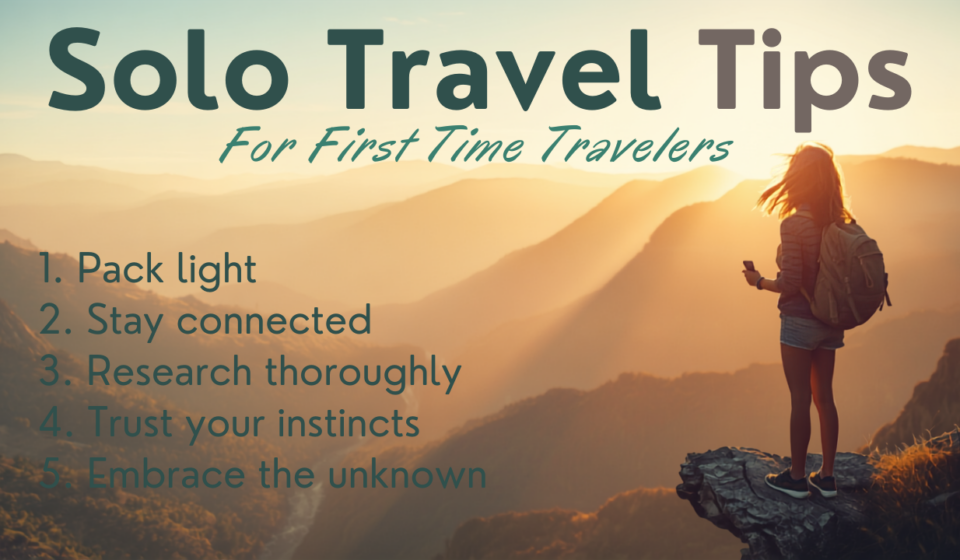

Traveling alone for the first time can feel both exciting and intimidating. While the idea of exploring a new destination without companions may seem challenging, solo travel offers unique opportunities for personal growth, independence, and unforgettable experiences. It allows you to make your own schedule, discover places at your own pace, and step outside your comfort zone in ways that group travel often cannot.
For first-time solo travelers, preparation plays a significant role in creating a safe and enjoyable journey. Understanding how to plan, stay secure, manage expenses, and connect with local culture can make your experience smoother and more rewarding. This guide shares practical solo travel tips that help beginners travel with greater confidence while making the most of every adventure.
Why Solo Travel Is Worth Experiencing
Solo travel is more than visiting a destination alone. It is an opportunity to learn about yourself while exploring new places and cultures. Many travelers discover increased confidence, improved problem-solving skills, and a stronger sense of independence after completing their first solo trip.
Traveling alone also provides complete flexibility. You can choose attractions that genuinely interest you, spend extra time in museums, hike scenic trails, or relax at a local café without compromising with others. This freedom often leads to more authentic and memorable travel experiences.
Additionally, solo travelers are often more approachable, making it easier to meet locals and fellow travelers. Conversations at hostels, guided tours, public transportation, or community events can turn into meaningful friendships that last long after the journey ends.
Choose the Right Destination for Your First Solo Trip
Selecting a beginner-friendly destination can make your first solo adventure much less stressful. Look for places known for good public transportation, welcoming communities, and strong tourism infrastructure.
Destinations with clear signage, reliable transportation, and plenty of accommodation options help reduce common travel challenges. Research local customs, weather conditions, and cultural expectations before booking your trip.
Popular beginner-friendly destinations often include cities with walkable neighborhoods, organized attractions, and well-established tourism services. National parks, coastal towns, and cultural cities can also provide excellent first-time solo travel experiences.
Choosing a location that matches your interests, whether history, food, adventure, or nature, makes the trip even more enjoyable.
Plan Your Trip Without Overplanning
A well-planned itinerary provides confidence, but leaving room for flexibility often leads to the most memorable moments.
Before departure, consider organizing:
Accommodation
Book your first few nights in advance to reduce arrival stress. Read reviews carefully, focusing on cleanliness, safety, location, and guest experiences.
Transportation
Understand how you’ll travel from the airport or train station to your accommodation. Download transportation apps or maps before your trip.
Important Documents
Keep both digital and printed copies of:
- Passport
- Identification
- Travel insurance
- Hotel reservations
- Flight confirmations
- Emergency contacts
Having backup copies can save valuable time if originals are misplaced.
Pack Smart Instead of Packing Heavy
One common mistake among first-time solo travelers is bringing too much luggage. A lighter bag is easier to manage, especially when using public transportation or walking through busy streets.
Pack versatile clothing that can be mixed and matched for different occasions. Include comfortable walking shoes, weather-appropriate layers, essential toiletries, chargers, and any required medications.
A small daypack is useful for carrying water, snacks, travel documents, sunscreen, and personal belongings during sightseeing.
Remember that most destinations have stores where forgotten essentials can be purchased if needed.
Prioritize Safety Throughout Your Journey
Safety remains one of the most important aspects of solo travel.
Before arriving at your destination:
- Research safe neighborhoods.
- Learn local emergency numbers.
- Save offline maps.
- Share your itinerary with trusted family or friends.
While exploring:
- Stay aware of your surroundings.
- Avoid displaying expensive valuables.
- Trust your instincts.
- Use reputable transportation services.
- Keep your phone charged.
If something feels uncomfortable, leave the situation immediately.
Travel confidence often comes from preparation rather than fear.
Stay Connected with Family and Friends
Regular communication provides reassurance for both you and your loved ones.
Share your accommodation details before departure and update someone if your plans change significantly.
Messaging apps, video calls, and location-sharing features can help maintain communication throughout your trip.
Many travelers also schedule daily check-ins, especially during longer journeys.
Learn Basic Local Phrases
Even learning a few simple words can improve your travel experience.
Useful phrases include:
- Hello
- Thank you
- Please
- Excuse me
- Where is…?
- Help
- I don’t understand
Locals often appreciate visitors who make an effort to communicate in their language, even if pronunciation isn’t perfect.
Translation apps can also assist when conversations become more detailed.
Manage Your Budget Wisely
Solo travel doesn’t always mean expensive travel.
Create a realistic travel budget that includes:
Transportation Costs
Include flights, trains, buses, taxis, and local transportation.
Accommodation
Compare hotels, hostels, guesthouses, and vacation rentals based on location, amenities, and reviews.
Food
Balance restaurant meals with grocery shopping or local markets when appropriate.
Activities
Research attraction fees beforehand and look for city passes or free walking tours that offer excellent value.
Keeping a small emergency fund provides peace of mind if unexpected expenses arise.
Choose Accommodation Carefully
Your accommodation can influence your entire solo travel experience.
Look for properties with:
- Strong safety reviews
- Secure entrances
- Helpful staff
- Central locations
- Reliable Wi-Fi
- Good transportation access
Hostels with private rooms often combine affordability with opportunities to meet other travelers through social events or communal spaces.
Hotels and guesthouses may offer additional privacy and comfort depending on your travel preferences.
Meet New People Naturally
Solo travel doesn’t mean being lonely.
Many travelers build friendships through:
Walking Tours
Local guides introduce visitors to city highlights while creating opportunities to meet fellow travelers.
Cooking Classes
Learning regional recipes offers both cultural experiences and social interaction.
Group Activities
Adventure excursions, hiking trips, museum tours, and cultural workshops naturally bring people together.
Respect personal boundaries while remaining open to conversations and shared experiences.
Trust Your Instincts
Your intuition is an important travel tool.
If a situation feels unsafe, uncomfortable, or suspicious, remove yourself without worrying about appearing impolite.
Confidence grows through experience, but caution should always remain part of your decision-making.
Avoid sharing too much personal information with strangers, especially regarding where you’re staying or traveling alone.
Stay Healthy While Traveling
Maintaining your health helps you enjoy every part of your journey.
Remember to:
- Stay hydrated.
- Eat balanced meals.
- Get enough sleep.
- Wash your hands regularly.
- Carry basic medications.
- Wear sunscreen when appropriate.
Travel insurance can also provide valuable support if medical assistance becomes necessary.
Listening to your body reduces the risk of illness disrupting your plans.
Capture Memories Without Living Behind the Camera
Photographs help preserve memories, but don’t let photography replace the experience itself.
Take pictures of beautiful landscapes, local cuisine, architecture, and meaningful moments.
Then put the phone away and fully experience your surroundings.
Many solo travelers also keep a travel journal, recording interesting conversations, unexpected discoveries, and personal reflections.
Years later, these written memories often become just as valuable as photographs.
Be Open to Changing Plans
Unexpected changes happen during almost every trip.
Flights may be delayed.
Weather may affect outdoor activities.
Museums may close.
Transportation schedules may change.
Instead of viewing these situations as setbacks, treat them as opportunities to discover something unexpected.
Some of the most memorable travel experiences begin with unplanned detours.
Respect Local Culture and Customs
Every destination has traditions, etiquette, and cultural expectations.
Research topics such as:
- Appropriate clothing
- Greeting customs
- Dining etiquette
- Religious practices
- Photography rules
- Tipping expectations
Showing cultural respect creates positive interactions and helps travelers better understand the communities they visit.
Responsible tourism also supports sustainable travel practices that benefit local residents.
Use Technology to Travel Smarter
Modern travel apps can simplify nearly every aspect of solo travel.
Helpful digital tools include:
Offline Maps
Download maps before arrival in case internet access becomes unavailable.
Currency Conversion Apps
These help estimate prices quickly while shopping or dining.
Translation Apps
Useful for reading signs, menus, and communicating with locals.
Transportation Apps
Many cities provide real-time public transportation information through official apps.
Portable power banks also ensure devices remain charged throughout busy sightseeing days.
Build Confidence One Step at a Time
Many first-time solo travelers worry about dining alone, navigating unfamiliar streets, or making decisions independently.
Confidence develops gradually.
Start with smaller challenges, such as exploring one neighborhood, visiting a museum independently, or eating at a local café.
Each successful experience builds the confidence needed for larger adventures.
Many experienced travelers say their first solo trip transformed the way they view both travel and themselves.
Common Mistakes First-Time Solo Travelers Should Avoid
While every trip is different, avoiding a few common mistakes can improve your overall experience.
Packing Too Much
Heavy luggage creates unnecessary stress during transportation and sightseeing.
Ignoring Local Safety Advice
Research neighborhood recommendations and follow guidance from trusted local sources.
Overscheduling Every Hour
Leave time for spontaneous discoveries and relaxation.
Forgetting Travel Insurance
Unexpected events can happen during any trip, making preparation worthwhile.
Not Keeping Backup Documents
Digital and printed copies can simplify replacing lost documents.
Learning from these common experiences helps travelers enjoy smoother and more confident journeys.
Frequently Asked Questions
Is solo travel safe for beginners?
Solo travel can be safe when travelers prepare carefully, research destinations, stay aware of their surroundings, and follow basic safety practices.
How long should my first solo trip be?
A weekend getaway or a three- to five-day trip is often ideal for first-time solo travelers. It provides enough time to gain confidence without feeling overwhelming.
What is the best age to start solo traveling?
There is no perfect age. Adults of various ages enjoy successful solo travel experiences. Preparation, confidence, and responsible decision-making matter more than age.
How can I avoid feeling lonely while traveling alone?
Joining walking tours, attending local events, staying in social accommodations, or participating in group activities can create opportunities to meet people naturally.
Should I create a detailed itinerary?
Having a general travel plan is helpful, but leaving flexibility allows you to adapt to unexpected opportunities and changing circumstances.
Your first solo trip is about more than reaching a destination. It is an opportunity to develop confidence, become more adaptable, and experience the world on your own terms. Careful planning, smart packing, thoughtful budgeting, and a focus on personal safety provide a strong foundation for a successful journey.
Every experienced solo traveler was once a beginner, facing similar questions and uncertainties. By starting with realistic expectations, respecting local cultures, and remaining open to new experiences, you can create meaningful memories while developing valuable life skills. Whether your adventure takes you to a nearby city or another country, solo travel has the potential to become one of the most rewarding experiences of your life.

sahithya
Sahithya is a content writer specializing in digital content and online research. She is passionate about creating accurate, easy-to-understand articles that help readers make informed decisions. Every article is researched using trusted sources and official references, and is reviewed periodically to keep the information accurate and up to date