
Building wealth is one of the most common financial goals, yet many people believe it requires a high income, expert knowledge, or perfect market timing. In reality, consistent investing has helped countless individuals grow their wealth steadily over time. Rather than trying to predict market movements or chase the latest investment trend, successful investors often focus on contributing regularly, staying invested, and allowing time to work in their favor.
Financial experts frequently emphasize that investing is a long-term journey rather than a short-term race. Markets naturally experience periods of growth and decline, but history has shown that disciplined investors who remain committed to their strategy are often better positioned to benefit from long-term economic growth.
This guide explores how consistent investing works, why it matters, and the practical steps that can help individuals develop lasting wealth-building habits.
Why Consistent Investing Is a Powerful Wealth Building Strategy
Consistent investing means contributing money to investments at regular intervals regardless of current market conditions. This approach encourages discipline while reducing the temptation to make emotional financial decisions.
Unlike attempting to predict the best time to invest, consistent investing allows individuals to participate in both rising and falling markets. Over time, regular investments may purchase more units when prices are lower and fewer units when prices are higher, helping average the overall purchase cost.
Many financial planners recommend this strategy because it removes much of the guesswork from investing. Instead of worrying about daily market news, investors stay focused on long-term objectives.
The Role of Compound Growth
Albert Einstein is often credited with calling compound interest one of the world’s greatest inventions, although the attribution remains debated. Regardless of its origin, the concept itself is widely recognized as one of the most powerful forces in investing.
Compound growth occurs when investment earnings begin generating additional earnings. Rather than earning returns only on the original investment, investors gradually earn returns on both their initial contributions and previous gains.
For example, someone investing a fixed amount every month over several decades may accumulate significantly more wealth than someone who delays investing, even if the later investor contributes larger amounts. Time allows compounding to become increasingly effective.
Building Financial Discipline
Regular investing also strengthens positive financial habits. Scheduling automatic contributions each month reduces the temptation to spend money impulsively and helps investing become part of a routine.
Much like exercising regularly improves physical health, consistent investing strengthens financial well-being through repeated, disciplined actions.
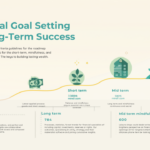
Understanding Long Term Investment Goals
Before selecting investments, it is important to identify clear financial objectives. Goals provide direction and help determine appropriate investment strategies.
Common long-term financial goals include:
- Building retirement savings
- Purchasing a home
- Funding higher education
- Creating financial independence
- Building wealth for future generations
- Preparing for unexpected life events
Investors with clearly defined goals often find it easier to remain committed during periods of market volatility because they understand the purpose behind their investment decisions.
Matching Investments With Time Horizons
Investment choices should align with the length of time before funds are needed.
Someone investing for retirement several decades away may accept greater market fluctuations because they have time to recover from temporary declines. Conversely, individuals saving for a near-term purchase may prefer investments with lower volatility.
Understanding personal timelines helps balance growth potential with acceptable levels of risk.
The Importance of Starting Early
One of the biggest advantages in investing is time.
Starting early gives investments more years to benefit from compound growth. Even modest monthly contributions can accumulate into substantial amounts over multiple decades.
Consider two hypothetical investors.
Investor A begins investing at age 25 and contributes consistently until retirement.
Investor B waits until age 35 before making similar contributions.
Although Investor B may invest larger monthly amounts later, Investor A often finishes with greater accumulated wealth simply because their investments had more time to grow.
This example highlights that consistency often matters more than trying to invest large amounts all at once.
Dollar Cost Averaging and Market Volatility
One commonly recommended strategy for consistent investing is dollar cost averaging.
This method involves investing a fixed amount on a regular schedule regardless of market prices.
When prices decline, investors purchase more shares.
When prices rise, fewer shares are purchased.
Over long periods, this approach helps reduce the emotional stress associated with market timing while smoothing average purchase costs.
Why Emotional Investing Can Be Risky
Financial markets are influenced by economic events, company performance, global developments, and investor sentiment.
During market downturns, fear may encourage investors to sell at lower prices.
During strong market rallies, excitement may tempt investors to buy after prices have already increased significantly.
Behavioral finance research consistently shows that emotional decision-making can reduce long-term investment performance.
A consistent investment strategy helps reduce these emotional reactions by focusing on regular contributions instead of short-term market movements.
Diversification Helps Manage Investment Risk
Diversification is another important principle in long-term wealth building.
Rather than concentrating investments in one company, industry, or asset class, diversification spreads investments across multiple areas.
Common diversified investment categories include:
- Stocks
- Bonds
- Mutual funds
- Exchange-traded funds (ETFs)
- Real estate investment trusts
- International investments
Diversification cannot eliminate investment risk entirely, but it can reduce the impact of poor performance from any single investment.
Many experienced investors view diversification as a cornerstone of responsible portfolio management.
Rebalancing Your Portfolio
Over time, some investments may grow faster than others.
Periodic portfolio reviews allow investors to rebalance allocations so they continue matching their financial goals and risk tolerance.
Rebalancing also encourages disciplined investing by preventing portfolios from becoming overly concentrated in a single asset class.
Building Wealth Through Regular Contributions
The size of each investment matters less than maintaining consistency.
Many investors begin with relatively small monthly amounts that gradually increase as income grows.
Increasing contributions after salary raises, bonuses, or reduced expenses can significantly improve long-term investment outcomes without requiring major lifestyle changes.
Automatic investment plans offered by many financial institutions simplify this process by scheduling contributions directly from bank accounts.
Automation reduces missed investments while encouraging long-term consistency.
The Importance of Patience
Successful investing often requires patience.
Financial markets rarely move in straight lines.
Periods of rapid growth are frequently followed by corrections or temporary declines.
History demonstrates that markets have experienced numerous downturns caused by recessions, geopolitical events, inflation concerns, and financial crises. Despite these challenges, diversified long-term investors who remained invested have often benefited from subsequent recoveries.
Patience allows investors to focus on long-term wealth accumulation instead of reacting to temporary market fluctuations.
Common Mistakes That Can Slow Wealth Building
Even experienced investors occasionally make mistakes. Recognizing common pitfalls helps improve long-term decision-making.
Trying to Time the Market
Attempting to predict exactly when markets will rise or fall is extremely difficult.
Missing only a handful of the market’s strongest trading days over many years can significantly reduce long-term returns.
Consistent investing reduces dependence on perfect timing.
Ignoring Investment Costs
Fees, trading expenses, and management charges can gradually reduce investment returns.
Comparing investment costs and understanding fee structures helps preserve more long-term growth.
Failing to Review Financial Goals
Life changes such as marriage, career advancement, children, or retirement planning may require investment adjustments.
Regular reviews ensure investment strategies continue supporting evolving financial objectives.
Allowing Emotions to Drive Decisions
Fear and excitement often lead to buying high and selling low.
Following a predetermined investment plan encourages more rational decision-making.
Real Life Example of Consistent Investing
Imagine two coworkers, Priya and Rahul, who both want to build long-term wealth.
Priya begins investing a fixed amount every month immediately after starting her career. She continues investing during both strong markets and downturns without making major changes.
Rahul waits several years because he hopes to invest when markets appear more stable. He also pauses investing whenever headlines predict economic uncertainty.
Twenty years later, Priya has generally accumulated greater wealth despite investing similar monthly amounts. Her success came not from predicting markets but from remaining consistent and allowing compounding to work over time.
This example reflects a principle frequently discussed by financial educators: time in the market often matters more than timing the market.
Expert Insights on Long Term Investing
Many respected financial professionals encourage investors to focus on disciplined habits rather than short-term predictions.
Research published by investment organizations consistently finds that maintaining diversified portfolios, minimizing unnecessary trading, and investing regularly can improve the likelihood of reaching long-term financial goals.
Financial advisors also emphasize the importance of aligning investments with personal objectives instead of comparing performance with others. Every investor has unique income, responsibilities, and risk tolerance.
Building wealth is not about competing with someone else’s portfolio but creating a strategy that supports personal financial security.
Practical Tips for Staying Consistent
Developing long-term investing habits becomes easier with a structured approach.
Set realistic financial goals before investing.
Create a monthly investment budget that fits comfortably within your income.
Automate contributions whenever possible.
Maintain an emergency fund separate from investments.
Diversify investments across different asset classes.
Review your portfolio periodically rather than checking daily market movements.
Continue learning about investing through reliable educational resources.
Stay patient during periods of market volatility.
Increase contributions gradually as income grows.
Focus on long-term progress instead of short-term market performance.
Frequently Asked Questions
How much should I invest every month?
The ideal amount depends on your financial situation, income, expenses, and goals. Consistency is generally more important than starting with a large amount. Even smaller regular investments can grow significantly over time.
Is investing risky?
All investments involve some degree of risk. However, diversification, long investment horizons, and disciplined investing may help manage risk while supporting long-term financial growth.
Can beginners start investing?
Yes. Many beginners start with diversified investment options and gradually expand their knowledge as they gain experience. Learning basic investment principles before investing can improve confidence.
How often should I review my investments?
Many financial professionals recommend reviewing portfolios periodically, such as annually or after significant life changes, rather than reacting to daily market movements.
Wealth building is rarely the result of a single investment decision. Instead, it is typically achieved through years of disciplined saving, consistent investing, thoughtful diversification, and patience. While market conditions will always fluctuate, maintaining a long-term perspective allows investors to focus on steady progress rather than short-term uncertainty.
By starting early, investing regularly, managing risk through diversification, and remaining committed to clearly defined financial goals, individuals can build habits that support long-term financial security. Consistent investing is not about predicting the future—it is about creating a sustainable strategy that allows time, discipline, and compound growth to work together toward lasting wealth.