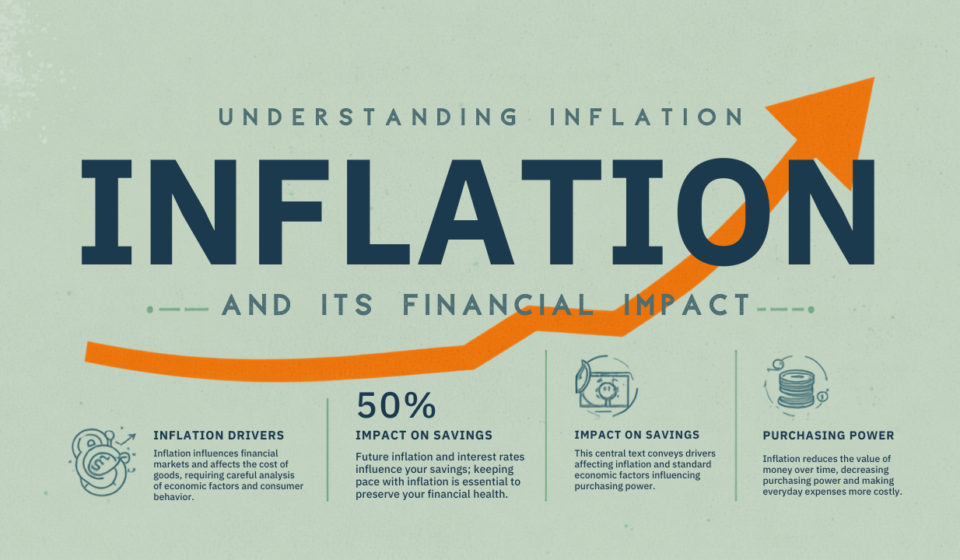

Inflation is a term that appears frequently in financial news, economic reports, and everyday conversations about rising prices. Whether it is the increasing cost of groceries, higher fuel prices, or more expensive housing, inflation influences almost every aspect of daily life. Although it is often viewed negatively, inflation is a normal part of a healthy economy when it remains at moderate levels.
Understanding inflation goes beyond knowing that prices are increasing. It involves recognizing why inflation occurs, how it affects purchasing power, and what individuals and businesses can do to manage its financial impact. Learning about inflation also helps consumers make smarter decisions regarding spending, saving, borrowing, and investing.
A clear understanding of inflation allows people to prepare for future financial challenges while making informed choices that support long-term financial stability.
What Is Inflation?
Inflation refers to the gradual increase in the overall prices of goods and services over time. As prices rise, each unit of currency buys fewer goods and services than before. This reduction in purchasing power is the primary effect of inflation.
For example, if a grocery basket costs ₹2,000 this year and ₹2,100 next year, the increase represents inflation. Although the difference may seem small, continuous price increases over many years significantly affect household budgets.
Most countries monitor inflation through economic indicators such as the Consumer Price Index (CPI) and the Wholesale Price Index (WPI). These indexes track changes in prices across a broad range of products and services.
Moderate inflation often indicates a growing economy because businesses earn more revenue, employees receive wage increases, and consumer demand remains healthy. However, excessive inflation creates financial strain and economic uncertainty.
Common Causes of Inflation
Several economic factors contribute to inflation. Often, multiple causes occur simultaneously.
Demand Pull Inflation
Demand pull inflation happens when consumer demand exceeds the available supply of goods and services. Businesses respond by increasing prices because more people are competing to purchase limited products.
This commonly occurs during periods of strong economic growth when employment levels rise and consumer spending increases.
Cost Push Inflation
Cost push inflation results from higher production expenses. Rising wages, raw material costs, transportation charges, or energy prices increase business operating costs. Companies often pass these additional expenses to consumers through higher prices.
For example, increases in fuel prices can raise transportation costs, making groceries, electronics, and household goods more expensive.
Monetary Expansion
When more money circulates within an economy, consumers generally spend more. If production does not increase at the same pace, additional demand pushes prices upward.
Central banks carefully manage the money supply to balance economic growth and inflation.
Supply Chain Disruptions
Natural disasters, global conflicts, pandemics, or transportation issues may interrupt manufacturing and product distribution. Reduced supply combined with steady demand often causes prices to rise.
Recent global supply chain disruptions demonstrated how shortages can influence inflation across multiple industries.
How Inflation Affects Purchasing Power
Purchasing power measures how much consumers can buy with a certain amount of money.
As inflation increases, the same income purchases fewer goods and services than before. Even if salaries remain unchanged, everyday expenses become more expensive.
Imagine earning ₹50,000 per month for several years without receiving a salary increase. If food, rent, transportation, healthcare, and education costs continue rising, your overall purchasing power declines despite maintaining the same income.
This explains why wage growth is often compared with inflation rather than viewed independently.
The Impact of Inflation on Household Budgets
Inflation directly influences household finances by increasing essential living expenses.
Families often experience higher costs for:
- Groceries
- Housing
- Electricity
- Fuel
- Healthcare
- Education
- Insurance
- Transportation
- Entertainment
When monthly expenses increase faster than income, households may reduce discretionary spending or adjust financial priorities.
For example, a family planning an annual vacation may postpone travel because essential expenses consume a larger share of their budget.
Careful budgeting becomes increasingly important during periods of rising inflation.
Inflation and Savings
One of the biggest financial risks of inflation is the gradual reduction in the value of savings.
Money kept in low-interest savings accounts may lose purchasing power if inflation exceeds the interest earned.
For instance, suppose a savings account earns 4% annually while inflation reaches 6%. Although the account balance increases, the real value of that money declines because prices rise faster than savings growth.
This concept is known as the real rate of return.
Many financial experts recommend reviewing savings strategies regularly to ensure long-term financial goals remain achievable despite inflation.
How Inflation Influences Investments
Inflation affects nearly every investment category differently.
Stocks
Many businesses adjust product prices during inflationary periods, allowing company revenues to grow over time. Well-managed companies with strong pricing power may perform relatively well during moderate inflation.
However, high inflation may increase operating costs and reduce corporate profits.
Bonds
Fixed-income investments often become less attractive during high inflation because future interest payments lose purchasing power.
Investors may seek inflation-protected securities or diversified portfolios during uncertain economic conditions.
Real Estate
Property values and rental income frequently increase alongside inflation. Real estate has historically served as one method of preserving wealth over long investment periods, although market conditions vary.
Gold and Commodities
Gold and certain commodities are sometimes viewed as inflation hedges because their values may rise when currency purchasing power declines.
However, no investment guarantees protection against inflation, and diversification remains important.
Inflation and Borrowing
Inflation affects both borrowers and lenders.
When inflation rises while loan interest rates remain fixed, borrowers may repay loans using money with lower purchasing power.
For example, homeowners with fixed-rate mortgages often benefit if wages increase while monthly loan payments remain unchanged.
Conversely, rising inflation frequently leads central banks to increase interest rates, making new loans more expensive.
Higher borrowing costs influence:
- Home loans
- Vehicle loans
- Personal loans
- Business financing
- Credit cards
As interest rates rise, consumers typically reduce spending, helping slow inflation over time.
Why Central Banks Monitor Inflation
Central banks play a major role in maintaining economic stability by controlling inflation.
Their objectives generally include:
- Maintaining stable prices
- Supporting employment
- Encouraging sustainable economic growth
- Managing interest rates
When inflation becomes too high, central banks may increase interest rates to reduce borrowing and spending.
When inflation becomes too low or economic activity slows significantly, they may reduce interest rates to encourage investment and consumer spending.
Balancing inflation without harming economic growth is one of the most challenging responsibilities of monetary policymakers.
Real Life Example of Inflation
Consider a young professional beginning a career with an annual salary of ₹600,000.
Initially, monthly living expenses total approximately ₹35,000, allowing regular savings.
Over the next five years:
- Rent increases.
- Grocery prices rise.
- Fuel becomes more expensive.
- Healthcare costs increase.
- Utility bills grow steadily.
Even after receiving salary raises, expenses may increase at a similar or faster pace. Without adjusting budgeting, savings, or investments, long-term financial goals such as purchasing a home or planning retirement become more difficult.
This example illustrates why understanding inflation is essential for effective financial planning.
Strategies to Reduce the Financial Impact of Inflation
Although inflation cannot be completely avoided, several practical strategies help reduce its effects.
Review Your Budget Regularly
Tracking monthly expenses helps identify areas where spending can be adjusted before rising costs create financial stress.
Budget reviews also encourage better financial habits and improve long-term money management.
Build an Emergency Fund
Unexpected expenses become more difficult during inflationary periods.
Maintaining several months of living expenses in an emergency fund provides financial security when prices increase unexpectedly.
Invest for Long-Term Growth
Keeping all money in cash may reduce purchasing power over time.
Long-term investments have historically offered greater potential for returns that may outpace inflation, although investment risks always exist.
Diversification across multiple asset classes helps reduce overall portfolio risk.
Increase Financial Knowledge
Understanding economic trends allows individuals to make informed financial decisions.
Learning about budgeting, investing, taxation, retirement planning, and interest rates improves financial confidence.
Continue Developing Professional Skills
Career growth often leads to higher earning potential.
Learning new skills, earning certifications, or pursuing advanced education may increase income, helping offset inflation over time.
Common Misconceptions About Inflation
Many misunderstandings surround inflation.
One common myth is that all inflation is harmful.
In reality, moderate inflation often reflects healthy economic growth. Businesses expand, employment increases, and wages generally improve over time.
Another misconception is that higher salaries always mean greater wealth.
If wages increase by 5% while inflation rises by 7%, purchasing power actually decreases despite earning more money.
Some people also assume inflation affects everyone equally.
In practice, inflation impacts households differently depending on income, spending habits, debt levels, investments, and financial planning strategies.
Understanding these differences helps individuals make more informed financial choices.
Why Understanding Inflation Matters
Inflation influences every financial decision people make throughout their lives.
It affects:
- Daily spending
- Savings goals
- Investment returns
- Retirement planning
- Home ownership
- Education expenses
- Business operations
- Loan repayments
People who understand inflation are generally better prepared to adjust budgets, manage financial risks, and build long-term wealth.
Rather than reacting to rising prices, informed individuals develop financial plans that account for changing economic conditions.
Frequently Asked Questions About Inflation
What is inflation in simple terms?
Inflation is the gradual increase in the prices of goods and services over time, which reduces the purchasing power of money.
Does inflation affect everyone?
Yes. Inflation influences consumers, businesses, investors, governments, and financial institutions, although the impact varies depending on income, spending patterns, and investments.
Is inflation always bad?
No. Moderate inflation is generally considered a normal sign of economic growth. Extremely high inflation, however, can reduce purchasing power and create financial uncertainty.
How can individuals protect themselves from inflation?
People can reduce inflation’s impact by maintaining a balanced budget, building emergency savings, investing wisely, improving financial literacy, and increasing earning potential through career development.
Why do central banks increase interest rates during inflation?
Higher interest rates reduce borrowing and consumer spending, helping slow price increases and stabilize the economy over time.
Inflation is a fundamental economic force that shapes personal finances, business decisions, and national economies. While rising prices can reduce purchasing power and increase living costs, understanding how inflation works empowers individuals to make smarter financial decisions. By monitoring spending, maintaining disciplined savings habits, investing for long-term growth, and continually improving financial knowledge, people can better adapt to changing economic conditions. Inflation is an ongoing part of modern economies, but with thoughtful planning and informed decision-making, its financial impact can be managed effectively while supporting long-term financial security and stability.