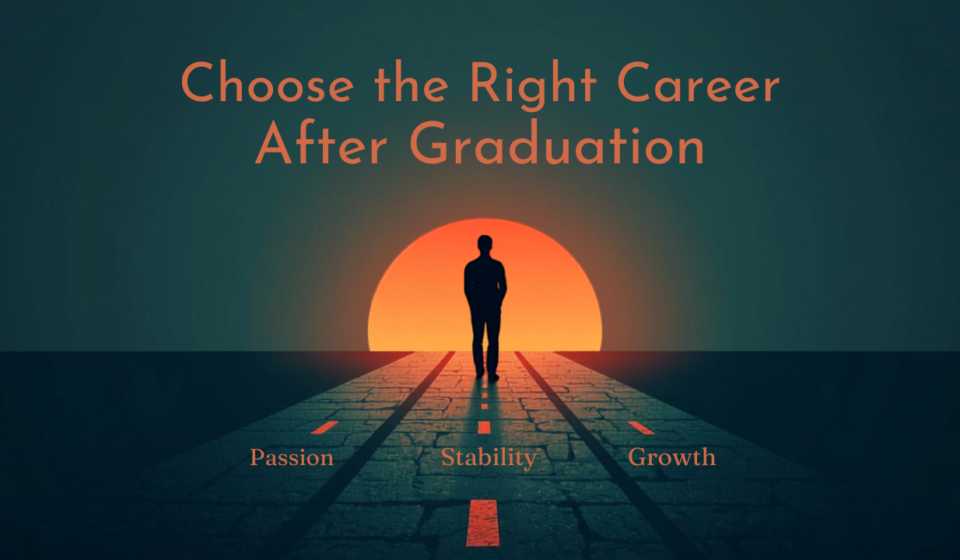

Graduating from college is one of life’s biggest milestones. After years of studying, completing projects, and preparing for exams, the next challenge begins—choosing a career that aligns with your interests, strengths, and long-term goals.
Many graduates feel uncertain about what comes next. Some receive multiple job offers, while others struggle to identify the right direction. This uncertainty is completely normal because today’s job market is evolving rapidly. New technologies, changing business models, and emerging industries have created opportunities that did not exist just a few years ago.
Rather than rushing into the first available opportunity, taking time to evaluate your interests, skills, and career aspirations can lead to greater job satisfaction and long-term professional success. This guide will help you understand how to make informed career decisions after graduation.
Why Career Planning Matters After Graduation
Choosing a career is more than selecting a job with a good salary. It involves finding work that supports your personal growth, financial goals, and lifestyle preferences.
A well-planned career path offers several benefits:
- Better job satisfaction
- Improved career growth opportunities
- Higher earning potential over time
- Stronger work-life balance
- Greater confidence in professional decisions
Career planning also reduces the likelihood of frequently changing jobs due to dissatisfaction or mismatched expectations.
Understand Your Strengths Before Choosing a Career
The first step is understanding yourself. Your personality, interests, values, and abilities all influence career satisfaction.
Identify Your Skills
Start by listing your strongest abilities.
These may include:
- Communication
- Leadership
- Problem-solving
- Analytical thinking
- Creativity
- Teamwork
- Technical knowledge
- Time management
Consider feedback from professors, internship supervisors, classmates, and mentors. They often notice strengths you may overlook.
Discover Your Interests
People perform better when they genuinely enjoy their work.
Ask yourself questions like:
- Which subjects did I enjoy the most?
- What projects excited me?
- What kind of problems do I enjoy solving?
- Do I prefer working with people, technology, numbers, or ideas?
Your answers can reveal career paths that naturally fit your personality.
Clarify Your Values
Some graduates prioritize high salaries, while others value flexibility, creativity, or meaningful work.
Think about what matters most:
- Financial security
- Job stability
- Remote work opportunities
- Career advancement
- Social impact
- Innovation
- Work-life balance
Your values should guide your career decisions.
Explore Different Career Options
Many graduates limit themselves to careers directly related to their degree. However, modern employers often value transferable skills alongside academic qualifications.
Research Industry Trends
Growing industries often provide better opportunities for long-term career development.
Examples include:
- Artificial Intelligence
- Data Analytics
- Cybersecurity
- Healthcare
- Renewable Energy
- Digital Marketing
- Financial Technology
- Biotechnology
- Cloud Computing
- Supply Chain Management
Understanding industry growth helps you make future-focused career choices.
Learn About Job Roles
Instead of focusing only on job titles, explore daily responsibilities.
For each career, research:
- Typical work environment
- Required qualifications
- Average salary
- Career progression
- Skills employers expect
- Future demand
This information helps avoid unrealistic expectations.
Evaluate Your Educational Background
Your degree provides a foundation, but it does not define your entire career.
For example:
A business graduate may work in marketing, finance, human resources, operations, consulting, entrepreneurship, or business analytics.
Similarly, engineering graduates often move into project management, software development, product management, or consulting.
Modern careers are increasingly multidisciplinary.
Gain Practical Experience
Employers often value practical experience alongside academic achievements.
Ways to gain experience include:
Internships
Internships provide exposure to professional environments and help graduates understand workplace expectations.
They also strengthen resumes and improve networking opportunities.
Freelancing
Freelance projects help develop practical skills while building a portfolio.
Popular freelance fields include:
- Content writing
- Graphic design
- Web development
- Video editing
- Digital marketing
- Data analysis
Volunteering
Volunteering demonstrates initiative, leadership, teamwork, and commitment to community service.
Many employers appreciate candidates who contribute beyond academics.
Develop Essential Soft Skills
Technical knowledge helps secure interviews, but soft skills often determine long-term career success.
Important skills include:
Communication
Strong communication improves teamwork, leadership, and customer relationships.
Practice:
- Public speaking
- Professional writing
- Active listening
- Presentation skills
Problem Solving
Every organization values employees who can identify challenges and propose effective solutions.
Develop this skill by working on real-world projects and case studies.
Adaptability
Technology changes rapidly.
Graduates who continuously learn and adapt remain competitive throughout their careers.
Emotional Intelligence
Understanding emotions, resolving conflicts, and building relationships contribute significantly to workplace success.
Build In Demand Technical Skills
Many employers seek candidates with practical digital skills regardless of industry.
Examples include:
- Microsoft Excel
- Data visualization
- SQL
- Python
- Digital marketing
- Search Engine Optimization
- Project management software
- Customer Relationship Management systems
- Cloud computing basics
- Artificial Intelligence tools
Continuous learning increases employability.
Network With Professionals
Networking opens doors to opportunities that may never appear on job boards.
Connect with:
- Alumni
- Professors
- Industry experts
- Recruiters
- Former internship supervisors
- Professional associations
Attend:
- Career fairs
- Industry conferences
- Online webinars
- Networking events
- Professional workshops
Meaningful conversations often lead to mentorship and job referrals.
Create a Strong Professional Resume
A resume is often your first impression.
An effective resume should include:
Professional Summary
Briefly explain who you are and what value you offer.
Education
Highlight relevant coursework, certifications, and academic achievements.
Experience
Include internships, volunteer work, freelance projects, and campus leadership roles.
Skills
List both technical and interpersonal skills relevant to the position.
Achievements
Quantify accomplishments whenever possible.
For example:
“Increased student event participation by 40% through digital marketing campaigns.”
Specific achievements stand out more than generic responsibilities.
Optimize Your Online Presence
Recruiters frequently review online profiles before making hiring decisions.
Maintain a professional digital presence by:
- Updating your LinkedIn profile
- Sharing industry insights
- Connecting with professionals
- Highlighting certifications
- Showcasing projects
- Keeping contact information current
A strong online profile increases visibility among recruiters.
Consider Higher Education Carefully
Some careers benefit from advanced education.
Examples include:
- Medicine
- Law
- Academic research
- Specialized engineering
- Clinical psychology
However, pursuing additional education should align with career goals rather than simply delaying employment decisions.
Research return on investment before enrolling in graduate programs.
Seek Guidance From Mentors
Career mentors provide valuable perspectives based on real-world experience.
A mentor can help you:
- Evaluate career options
- Improve interview skills
- Expand professional networks
- Identify growth opportunities
- Avoid common career mistakes
Many successful professionals credit mentorship for accelerating their careers.
Learn From Real Life Experiences
Consider two graduates with similar degrees.
Sarah accepted the highest-paying job immediately after graduation without researching the company culture. Within a year, she realized the role did not match her interests and changed careers.
Meanwhile, David spent several weeks researching industries, speaking with mentors, completing an internship, and identifying his strengths. Although his initial salary was slightly lower, he found meaningful work with excellent long-term growth opportunities.
Their experiences highlight an important lesson: thoughtful career planning often leads to greater satisfaction than making quick decisions based solely on salary.
Common Mistakes to Avoid
Many graduates unintentionally make career decisions that limit future growth.
Avoid these common mistakes:
Following Others
Friends may choose different career paths that suit their interests but not yours.
Focus on your personal goals.
Ignoring Skill Development
Learning should continue after graduation.
Professional certifications, online courses, and workshops help maintain competitiveness.
Chasing Salary Alone
A high salary cannot compensate for poor work culture, limited growth, or lack of interest.
Evaluate the complete opportunity.
Fear of Starting Small
Every successful career begins somewhere.
Entry-level roles often provide valuable experience that supports future advancement.
Not Asking Questions
Research employers during interviews.
Understand company culture, training opportunities, career progression, and expectations before accepting an offer.
Prepare for Job Interviews
Preparation significantly improves interview performance.
Research:
- Company background
- Products or services
- Industry trends
- Competitors
- Company values
Practice answering common interview questions while using real examples from academic projects, internships, and extracurricular activities.
Confidence grows through preparation rather than memorization.
Stay Flexible in a Changing Job Market
The future workplace continues to evolve due to automation, artificial intelligence, and digital transformation.
Many professionals will change careers multiple times throughout their working lives.
Instead of fearing change, develop transferable skills such as communication, leadership, critical thinking, creativity, and digital literacy.
These abilities remain valuable across industries.
Frequently Asked Questions
How do I know which career is right after graduation?
Evaluate your interests, strengths, personality, values, and long-term goals. Research industries, gain practical experience, and seek advice from mentors before making a decision.
Should I choose salary or passion?
The best career usually balances both. A role that offers growth, learning opportunities, and aligns with your interests often leads to greater long-term success than focusing only on salary.
Is it normal to change careers after graduation?
Yes. Many professionals transition into different industries as they gain experience and discover new interests. Career paths are rarely linear.
Do internships really help?
Absolutely. Internships provide practical experience, professional networking opportunities, and valuable insights into workplace expectations, making graduates more attractive to employers.
Choosing the right career after graduation is a journey rather than a single decision. By understanding your strengths, exploring different industries, developing relevant skills, and gaining practical experience, you can build a career that supports both professional success and personal fulfillment.
The modern job market rewards continuous learning, adaptability, and thoughtful planning. Instead of comparing your journey with others, focus on building skills, expanding your network, and making informed choices based on your unique goals. Every experience, whether an internship, entry-level position, or professional certification, contributes to long-term career growth. With patience, preparation, and a willingness to learn, you can confidently navigate the transition from graduation to a rewarding and meaningful professional career.