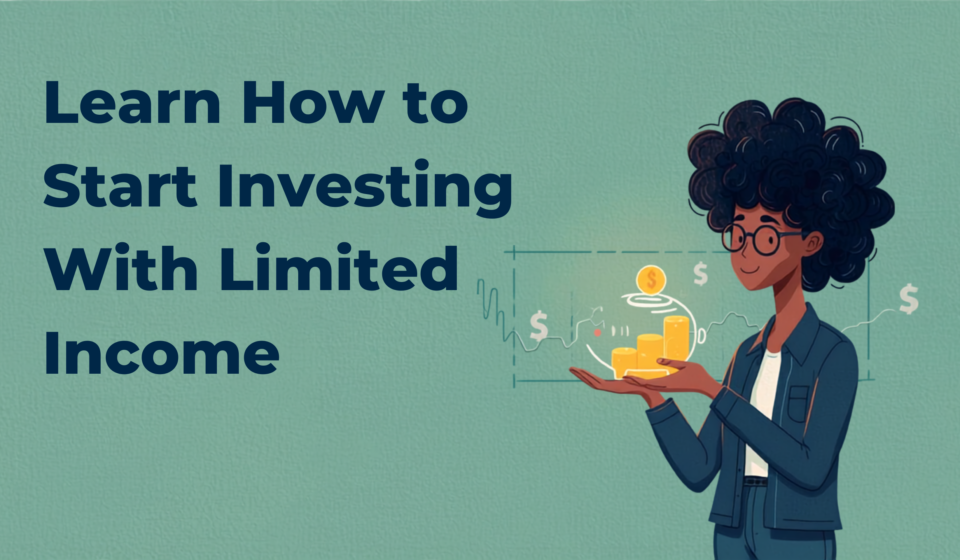

Many people believe investing is only for those with high-paying jobs or large savings accounts. In reality, that couldn’t be further from the truth. Today, technology, low-cost investment platforms, and financial education have made investing accessible to almost everyone. Even if you earn a modest salary, you can begin building wealth with small, consistent investments.
The key is not how much money you have today but how early you start and how consistently you invest. Thanks to compound growth, even small contributions can grow into meaningful wealth over time. Whether you’re a student, young professional, freelancer, or someone supporting a family on a limited income, there are practical ways to invest without putting your finances at risk.
This guide explains how to start investing with limited income, avoid common mistakes, choose suitable investment options, and develop habits that support long-term financial success.
Why Investing Matters Even If You Have a Limited Income
Saving money is important, but investing allows your money to work for you. While traditional savings accounts provide security, they often struggle to keep pace with inflation. Investing offers the opportunity to grow your purchasing power over time.
Starting early provides several advantages:
- Your investments benefit from compound returns.
- You build financial discipline.
- You prepare for future goals like buying a home or retirement.
- You create an additional source of long-term wealth.
For example, imagine two friends. One begins investing the equivalent of a small weekly expense in their early twenties, while the other waits ten years before starting. Even if the second person invests more each month, the first investor often ends up with a larger portfolio because of the extra years of compounding.
This illustrates why consistency usually matters more than investing large amounts.
Understanding Your Financial Situation Before Investing
Before purchasing any investment, evaluate your current financial health.
Create a Monthly Budget
Knowing where your money goes is the first step toward finding funds to invest.
Track expenses such as:
- Housing
- Utilities
- Transportation
- Food
- Insurance
- Entertainment
- Subscriptions
Many people discover unnecessary expenses they can reduce without sacrificing their lifestyle.
Build an Emergency Fund
Financial experts generally recommend setting aside emergency savings before investing aggressively.
A small emergency fund helps cover unexpected situations such as:
- Medical expenses
- Car repairs
- Temporary job loss
- Home maintenance
Having emergency savings reduces the likelihood of selling investments during market downturns.
Pay Off High-Interest Debt
Credit card balances and expensive personal loans often cost more in interest than investments typically earn.
Reducing high-interest debt first can significantly improve your long-term financial position.
How Much Money Do You Need to Start Investing?
One of the biggest myths about investing is that you need thousands of dollars.
Today, many investment platforms allow beginners to start with very small amounts.
Some investment options offer:
- Fractional investing
- Automatic recurring investments
- No minimum investment requirements
- Low management fees
Starting with a modest amount every month is often more effective than waiting years to invest a large sum.
Best Investment Options for People With Limited Income
Index Funds
Index funds remain one of the most popular choices for beginner investors.
Advantages include:
- Low fees
- Broad diversification
- Passive management
- Long-term growth potential
Instead of selecting individual companies, index funds spread investments across many businesses.
Exchange-Traded Funds
Exchange-Traded Funds (ETFs) provide diversification similar to index funds while allowing investors to buy and sell throughout the trading day.
Benefits include:
- Lower costs
- Portfolio diversification
- Flexibility
- Easy access
Retirement Accounts
If retirement investment accounts are available in your country or through your employer, they can provide tax advantages that help investments grow more efficiently.
Starting retirement savings early allows decades of compound growth.
Government Securities
Government-backed investment products generally carry lower risk than many market investments.
These investments may suit conservative investors who prioritize capital preservation.
Mutual Funds
Mutual funds combine money from multiple investors into professionally managed portfolios.
Some mutual funds require low initial investments, making them accessible to beginners.
The Power of Compound Growth
Compound growth is one of the most important concepts in investing.
Rather than earning returns only on your original investment, you also earn returns on previous gains.
For example:
If you regularly invest a small amount every month, those investments generate returns.
Over time:
- Original investments grow.
- Previous earnings generate additional earnings.
- Growth accelerates as years pass.
This snowball effect explains why long-term investors often experience greater wealth accumulation.
Simple Strategies to Invest Consistently
Automate Your Investments
Automatic investing removes emotion from financial decisions.
Scheduling investments immediately after receiving your income helps maintain consistency.
Increase Investments Gradually
Whenever your income increases:
- Invest part of your raise.
- Continue living on your previous budget when possible.
- Avoid increasing lifestyle expenses too quickly.
Small increases each year can significantly improve long-term results.
Invest Before Spending
Many successful investors follow the principle of paying themselves first.
Instead of investing whatever remains at the end of the month, invest first and budget the rest.
Common Investing Mistakes Beginners Should Avoid
Waiting for the Perfect Time
Many people postpone investing because they hope markets will become more favorable.
In reality, consistently investing over many years often produces better results than trying to predict short-term market movements.
Chasing Quick Profits
Promises of guaranteed high returns should always be approached with caution.
Successful investing typically focuses on patience rather than rapid gains.
Ignoring Diversification
Putting all your money into one company or investment increases risk.
Diversification helps reduce the impact of poor performance from any single investment.
Investing Money You’ll Need Soon
Funds needed for rent, education, emergencies, or near-term expenses generally should not be invested in higher-risk assets.
Long-term investing works best when you can leave investments untouched during market fluctuations.
Letting Emotions Control Decisions
Markets naturally rise and fall.
Making investment decisions based solely on fear or excitement often leads to poor outcomes.
Budgeting Tips That Help You Invest More
Finding money to invest often comes from improving spending habits rather than dramatically increasing income.
Consider these practical ideas:
Review Recurring Expenses
Small monthly subscriptions can add up over time.
Cancel services you rarely use.
Cook More Meals at Home
Preparing meals at home may reduce monthly food expenses and create additional room in your investment budget.
Use Windfalls Wisely
Tax refunds, bonuses, gifts, or freelance income can provide opportunities to increase investments without affecting your regular budget.
Follow the 24-Hour Rule
Before making non-essential purchases, wait one day.
This simple habit reduces impulse spending.
Building Good Investing Habits
Successful investors develop habits instead of chasing trends.
Helpful habits include:
Continue Learning
Read books, reputable financial publications, and educational resources.
Understanding markets improves confidence.
Review Your Portfolio Periodically
Checking investments occasionally helps ensure they still align with your financial goals.
Avoid monitoring daily market fluctuations unless necessary.
Stay Patient
Long-term investing rewards consistency more often than frequent trading.
Market declines are normal and have historically been part of long-term market cycles.
Keep Investment Costs Low
Management fees and trading costs reduce long-term returns.
Choosing low-cost investment options helps preserve more of your gains.
Real-Life Example of Starting Small
Imagine Sarah, a recent graduate working her first full-time job.
After creating a monthly budget, she discovered several small expenses she could reduce. Instead of spending that money, she began making automatic monthly investments into a diversified index fund.
She increased her contribution slightly whenever she received a salary increase.
Years later, her portfolio had grown far beyond the total amount she originally invested because her earnings continued generating additional returns through compound growth.
Her success didn’t come from earning an unusually high salary. It came from consistency, patience, and disciplined investing.
How to Stay Motivated During Market Ups and Downs
Every investor experiences market volatility.
When prices fall, remember:
- Market declines are a normal part of investing.
- Long-term investors often continue investing during downturns.
- Staying invested has historically produced better outcomes than repeatedly entering and exiting the market.
- Focus on your long-term financial goals rather than short-term headlines.
Having a written investment plan can make it easier to stay committed during uncertain periods.
Frequently Asked Questions
Can I invest if I only save a small amount each month?
Yes. Consistent investing, even in small amounts, can grow significantly over time because of compound growth.
Should I save or invest first?
Most financial experts recommend building a small emergency fund before investing heavily. Having emergency savings helps avoid withdrawing investments unexpectedly.
Is investing risky?
Every investment involves some level of risk. Diversification, long-term investing, and choosing investments that match your goals can help manage risk.
How often should I invest?
Many investors prefer monthly automatic investments because they encourage consistency and reduce emotional decision-making.
Do I need financial expertise before investing?
No. Beginners can start by learning the fundamentals, investing gradually, and selecting diversified investment options while continuing to improve their financial knowledge.
Learning how to start investing with limited income is less about having a large paycheck and more about building consistent financial habits. Small investments made regularly can grow substantially over time, especially when combined with patience, diversification, and the power of compound growth.
The journey to financial security begins with simple steps: creating a budget, building emergency savings, reducing unnecessary debt, and investing consistently in diversified, low-cost options. Instead of waiting until you earn more, start with what you can afford today. Over the years, those small, disciplined actions can become the foundation of lasting financial success and greater financial freedom.

sahithya
Sahithya is a content writer specializing in digital content and online research. She is passionate about creating accurate, easy-to-understand articles that help readers make informed decisions. Every article is researched using trusted sources and official references, and is reviewed periodically to keep the information accurate and up to date