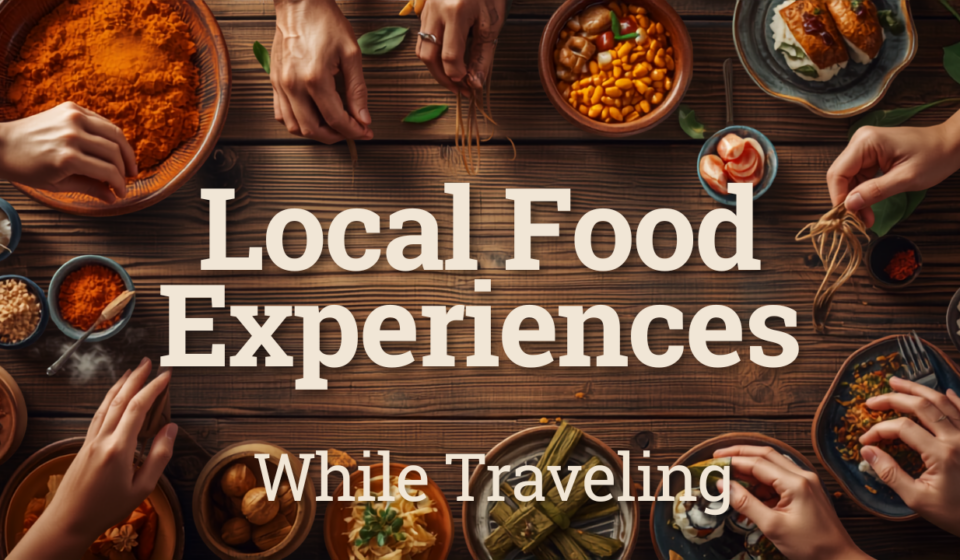

Travel is about much more than visiting famous landmarks or taking beautiful photographs. One of the most memorable parts of any journey is discovering the flavors that define a destination. Every region has unique dishes, ingredients, cooking techniques, and food traditions that tell stories about its history, geography, and culture. Whether you are enjoying freshly prepared street food, dining in a family-owned restaurant, or learning to cook traditional recipes, local food experiences create lasting memories and deeper cultural connections.
Exploring regional cuisine allows travelers to understand the lifestyle of local communities while supporting small businesses and preserving culinary traditions. From bustling food markets in Asia to artisan bakeries in Europe and farm-to-table experiences in rural villages, every meal becomes an opportunity to learn something new. This guide explains how to experience authentic local food while traveling safely, respectfully, and confidently.
Why Local Food Is an Essential Part of Travel
Food reflects the identity of a place. Traditional recipes often use ingredients that are locally grown and have been passed down through generations. By tasting regional specialties, travelers gain insights into local customs, seasonal produce, and cultural celebrations.
Many experienced travelers say they remember a destination as much by its flavors as by its attractions. A bowl of freshly prepared seafood near the coast, handmade pasta in a countryside village, or fragrant spices in a traditional market can become unforgettable highlights of a trip.
Research from tourism organizations also shows that culinary tourism continues to grow worldwide. Many travelers now plan vacations specifically around food festivals, cooking classes, vineyard tours, and local dining experiences. This trend highlights the increasing importance of authentic cuisine in modern travel.
Benefits of Exploring Local Cuisine
Trying local food offers several advantages beyond satisfying your appetite.
Learn About Local Culture
Traditional dishes often reveal historical influences, religious customs, and agricultural practices. Ingredients commonly used in regional meals can explain how communities adapted to their environment over centuries.
Support Local Businesses
Eating at locally owned restaurants, family-run cafés, and neighborhood food stalls helps support small businesses and contributes directly to the local economy. It also encourages the preservation of traditional recipes that may otherwise disappear.
Discover Unique Ingredients
Travel introduces you to fruits, vegetables, herbs, spices, cheeses, seafood, and cooking methods that may not be available at home. Sampling these ingredients expands your appreciation of global cuisine.
Create Meaningful Memories
Meals shared with local residents often become some of the most cherished travel memories. Conversations around the dining table help travelers understand traditions that guidebooks cannot fully explain.
How to Find Authentic Local Food
Finding genuine local cuisine requires a little curiosity and planning.
Visit Local Markets
Fresh food markets offer a glimpse into daily life. Vendors often sell seasonal produce, regional snacks, spices, cheeses, seafood, and handmade specialties. Walking through a market allows travelers to observe cooking ingredients and interact with local sellers.
Morning markets are particularly rewarding because many vendors prepare fresh products early in the day.
Eat Where Local Residents Eat
Restaurants filled with local customers usually indicate quality and authenticity. Rather than choosing places located only near major tourist attractions, explore nearby neighborhoods where residents gather for daily meals.
Simple family-owned restaurants often provide traditional recipes prepared using generations-old techniques.
Ask Local People for Recommendations
Hotel staff, taxi drivers, shop owners, and tour guides frequently know hidden dining spots that may not appear in travel guides. Their recommendations often lead travelers to authentic culinary experiences that receive little online attention.
Join a Food Tour
Guided food tours combine local history with regional cuisine. Knowledgeable guides explain the origins of dishes, introduce neighborhood restaurants, and share interesting cultural stories behind every meal.
Food tours are especially useful during the first days of a trip because they help travelers become familiar with local specialties.
Must Try Local Food Experiences
Different destinations offer unique ways to enjoy regional cuisine beyond restaurant dining.
Explore Street Food
Street food represents everyday life in many countries. Vendors prepare fresh meals using traditional recipes, often in front of customers.
Popular street food may include grilled meats, dumplings, tacos, noodles, pastries, fresh fruit, sandwiches, or regional desserts. Watching food being prepared also provides confidence in freshness and hygiene.
Choose vendors with steady customer traffic because high turnover usually indicates freshly cooked food.
Attend Food Festivals
Food festivals celebrate seasonal harvests, traditional cooking, and regional specialties. Visitors can sample multiple dishes, watch live cooking demonstrations, and meet local chefs and farmers.
These festivals provide opportunities to experience authentic flavors that may only be available during certain times of the year.
Take a Cooking Class
Learning to prepare traditional dishes helps travelers understand local ingredients and cooking techniques. Cooking classes often begin with visits to local markets where instructors explain regional produce before guiding participants through recipe preparation.
The skills learned can be recreated at home, allowing travelers to relive their experiences long after returning.
Visit Farms and Vineyards
Many rural destinations welcome visitors to farms, orchards, vineyards, tea plantations, coffee estates, and olive groves. These experiences show how ingredients are grown, harvested, and processed before reaching the dining table.
Fresh tasting sessions often include locally produced cheeses, wines, olive oils, fruits, honey, or freshly brewed beverages.
Food Safety Tips While Traveling
Trying new cuisine should always be enjoyable and safe.
Drink bottled or properly filtered water where water quality is uncertain. Choose freshly prepared meals served hot whenever possible.
Observe whether restaurants and food stalls maintain clean cooking areas and proper food handling practices.
Wash your hands before eating, especially after visiting busy markets or using public transportation.
Travelers with food allergies should learn the local names of ingredients that may cause reactions. Carrying allergy translation cards can be extremely helpful in countries where language barriers exist.
Introduce unfamiliar foods gradually, particularly if you have a sensitive stomach.
Respect Local Dining Customs
Food etiquette varies across cultures, and understanding local customs demonstrates respect for the communities you visit.
In some countries, meals begin only after the eldest family member starts eating. Elsewhere, sharing dishes at the center of the table is common.
Certain cultures traditionally eat with their hands, while others use chopsticks or specialized utensils. Learning basic dining etiquette helps avoid misunderstandings and enhances cultural appreciation.
Showing gratitude to your host, complimenting the meal, and expressing interest in traditional recipes often creates warm conversations and memorable experiences.
Regional Food Experiences Around the World
Every continent offers distinctive culinary traditions worth exploring.
Asia
Asian cuisine is celebrated for its diversity, featuring fragrant spices, noodles, rice dishes, seafood, fermented foods, and vibrant street markets. Destinations throughout Asia often combine centuries-old cooking traditions with fresh seasonal ingredients.
Europe
European culinary traditions range from handmade pasta and artisan bread to regional cheeses, seafood, pastries, and slow-cooked specialties. Local markets and neighborhood bakeries remain central to everyday life.
Africa
African cuisine highlights locally grown grains, vegetables, spices, grilled meats, and hearty stews. Traditional cooking methods often emphasize community dining and shared meals.
North America
Regional specialties vary widely, from coastal seafood to barbecue traditions, Indigenous recipes, and multicultural fusion cuisine influenced by generations of immigration.
South America
South American food celebrates tropical fruits, fresh seafood, grilled meats, corn-based dishes, and locally grown coffee and cacao. Traditional markets showcase incredible agricultural diversity.
Oceania
Fresh seafood, tropical produce, and Indigenous cooking traditions define many culinary experiences across Australia, New Zealand, and Pacific Island destinations.
Budget Friendly Ways to Enjoy Local Food
Authentic dining does not always require expensive restaurants.
Many of the most memorable meals are surprisingly affordable.
Visit neighborhood cafés instead of luxury hotels.
Explore food courts that feature multiple regional vendors.
Purchase fresh fruits and snacks from local markets.
Choose lunch specials, which are often more affordable than dinner menus.
Share large portions with fellow travelers to sample more dishes without increasing your budget.
Travelers who balance restaurant dining with market visits can enjoy diverse culinary experiences while keeping travel expenses manageable.
Using Technology to Discover Hidden Culinary Gems
Digital tools have made finding authentic food experiences easier than ever.
Food review platforms, travel blogs, and interactive maps help travelers identify highly rated local restaurants. However, it is important to balance online recommendations with advice from local residents.
Social media platforms also provide inspiration by showcasing regional specialties, local markets, and seasonal food events. Searching destination-specific food hashtags often reveals hidden cafés and neighborhood eateries that traditional guidebooks may overlook.
Still, the most memorable discoveries often happen by simply wandering through local streets with an open mind.
Common Mistakes Travelers Should Avoid
Many travelers unintentionally miss authentic food experiences because they remain within familiar dining habits.
Choosing only international fast-food chains limits opportunities to experience local culture.
Eating exclusively near major tourist attractions may result in higher prices and less authentic meals.
Ignoring seasonal specialties can mean missing dishes that are available only during certain harvest periods or festivals.
Being unwilling to try unfamiliar ingredients also reduces the richness of a culinary journey. While everyone has personal preferences, approaching new foods with curiosity often leads to pleasant surprises.
Frequently Asked Questions
Why is local food important when traveling?
Local food offers insight into a destination’s culture, traditions, history, and daily life while creating memorable travel experiences beyond sightseeing.
Is street food safe to eat?
Street food can be safe when purchased from busy vendors who prepare meals fresh, maintain clean cooking areas, and serve food hot.
How can I find authentic local restaurants?
Ask local residents for recommendations, visit neighborhood markets, explore areas away from tourist attractions, and observe where local families choose to eat.
What should travelers do if they have food allergies?
Carry allergy information translated into the local language, inform restaurant staff before ordering, and always verify ingredients before eating unfamiliar dishes.
Experiencing local food while traveling transforms an ordinary vacation into a meaningful cultural adventure. Every traditional recipe, bustling market, and family-run restaurant offers a glimpse into the heritage of a destination. By exploring regional cuisine with curiosity, respecting local customs, supporting neighborhood businesses, and following sensible food safety practices, travelers create authentic memories that last far beyond the journey itself. The next time you visit a new destination, allow its flavors to guide your experience. You may discover that the meals you share become just as unforgettable as the places you explore, making local food one of the richest and most rewarding aspects of travel.

sahithya
Sahithya is a content writer specializing in digital content and online research. She is passionate about creating accurate, easy-to-understand articles that help readers make informed decisions. Every article is researched using trusted sources and official references, and is reviewed periodically to keep the information accurate and up to date