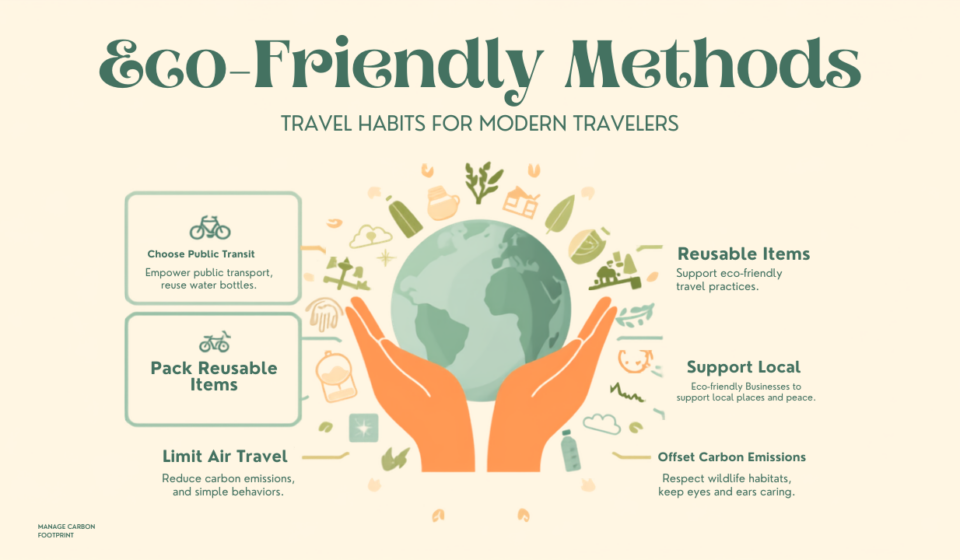

Travel has become more accessible than ever, allowing people to explore different cultures, landscapes, and traditions across the world. While tourism creates economic opportunities and cultural exchange, it also places pressure on natural resources, wildlife, and local communities. Increasing awareness of environmental issues has encouraged many travelers to rethink the way they explore new places.
Choosing eco friendly travel habits does not mean giving up comfort or memorable experiences. Instead, it involves making thoughtful decisions that minimize environmental impact while maximizing positive contributions to the places visited. Sustainable travel is about balancing enjoyment with responsibility, ensuring future generations can experience the same destinations.
Why Eco Friendly Travel Matters More Than Ever
Modern tourism contributes significantly to global carbon emissions, waste production, and resource consumption. Air travel, plastic pollution, excessive water usage, and overcrowding at popular destinations all affect ecosystems and local communities.
Responsible tourism focuses on reducing these impacts through mindful choices. Governments, environmental organizations, and travel experts increasingly encourage sustainable tourism because it benefits both travelers and destinations.
Eco friendly travel can help:
- Reduce carbon emissions
- Protect wildlife and natural habitats
- Support local economies
- Preserve cultural heritage
- Reduce plastic and food waste
- Encourage responsible resource use
Many destinations now promote sustainable tourism initiatives, making it easier for visitors to make environmentally conscious decisions.
Planning a Sustainable Trip Before You Leave
Sustainability begins long before the journey starts. Careful planning allows travelers to reduce unnecessary waste and make informed choices.
Choose Destinations That Value Sustainability
Many cities, parks, and tourism boards actively invest in conservation, renewable energy, and responsible tourism practices. Visiting destinations that prioritize environmental protection encourages continued investment in sustainable initiatives.
Research local environmental policies, conservation programs, and responsible tourism guidelines before booking.
Travel During Off Peak Seasons
Overtourism places significant pressure on popular attractions, transportation systems, and local infrastructure.
Traveling during less crowded periods offers several advantages:
- Reduced environmental strain
- Better interaction with local communities
- Lower accommodation costs
- Less congestion at attractions
- Improved overall travel experience
Off-season travel often provides a more authentic experience while helping distribute tourism income throughout the year.
Pack Light
A lighter suitcase reduces fuel consumption during transportation, particularly on flights.
Packing only essential clothing and reusable items minimizes unnecessary weight and encourages more thoughtful consumption while traveling.
Choose Greener Transportation Options
Transportation is one of the largest contributors to travel-related emissions. Selecting lower-impact options whenever possible makes a noticeable difference.
Walk or Cycle
Walking allows travelers to experience neighborhoods more intimately while producing zero emissions.
Cycling is another excellent option, especially in cities with dedicated bike lanes and public bicycle-sharing systems.
Benefits include:
- Improved health
- Reduced pollution
- Better cultural experiences
- Lower travel costs
Use Public Transportation
Buses, trains, subways, and trams generally produce fewer emissions per passenger than private vehicles.
Many modern cities have invested heavily in clean public transportation systems powered by electricity or alternative energy sources.
Using public transit also provides opportunities to interact with local residents and better understand everyday life.
Consider Train Travel
Where available, trains often produce considerably fewer carbon emissions than short-haul flights.
Rail travel also offers scenic views, greater comfort, and fewer airport-related inconveniences.
Reduce Air Travel When Possible
Flights remain necessary for many long-distance journeys. However, travelers can reduce their environmental impact by:
- Choosing direct flights
- Combining multiple destinations into one trip
- Traveling less frequently but for longer durations
- Selecting airlines with sustainability initiatives
Every avoided connecting flight helps lower overall emissions.
Stay in Environmentally Responsible Accommodations
Accommodation choices influence energy use, water consumption, and waste generation.
Many hotels now implement sustainable practices such as:
- Solar energy systems
- Energy-efficient lighting
- Water-saving fixtures
- Recycling programs
- Reduced plastic usage
- Local food sourcing
Eco-certified accommodations often demonstrate measurable commitments to environmental responsibility.
Vacation rentals and locally owned guesthouses can also provide sustainable alternatives while supporting community businesses.
Reduce Plastic Waste While Traveling
Single-use plastics remain one of the largest environmental challenges worldwide.
Simple reusable items significantly reduce waste during every trip.
Carry reusable essentials including:
- Water bottle
- Coffee cup
- Shopping bag
- Food container
- Metal straw
- Reusable utensils
Many airports, hotels, and tourist attractions now provide refill stations, making reusable bottles more practical than ever.
Even avoiding one disposable plastic bottle per day can make a meaningful difference over multiple trips.
Practice Responsible Water and Energy Use
Hotels often experience high water and electricity consumption due to frequent guest turnover.
Travelers can contribute by:
Conserving Water
Take shorter showers.
Turn off taps while brushing teeth.
Reuse towels when possible.
Report leaking faucets promptly.
Saving Electricity
Switch off lights before leaving.
Turn off air conditioning when not needed.
Unplug unnecessary electronic devices.
Open curtains during the day instead of using artificial lighting.
These habits reduce resource consumption without affecting comfort.
Support Local Communities
One of the most meaningful aspects of sustainable travel is contributing positively to local economies.
Instead of relying solely on international chains, consider supporting:
- Family-owned restaurants
- Local artisans
- Independent tour operators
- Community markets
- Regional accommodations
Money spent locally often stays within the community, supporting families and preserving cultural traditions.
Buying handmade crafts instead of mass-produced souvenirs also encourages traditional craftsmanship.
Respect Local Culture and Traditions
Responsible travel extends beyond environmental protection.
Learning about local customs demonstrates respect and creates more meaningful interactions.
Simple practices include:
Learn Basic Local Phrases
Greeting residents in their native language often creates positive first impressions.
Dress Appropriately
Respect cultural expectations regarding clothing, especially when visiting religious or historical sites.
Ask Before Taking Photos
Always request permission before photographing individuals, particularly in rural or indigenous communities.
Follow Local Rules
Respect protected areas, wildlife regulations, and community guidelines.
Being a considerate visitor strengthens cultural exchange and encourages sustainable tourism.
Make Sustainable Food Choices
Food production affects land use, water consumption, and greenhouse gas emissions.
Travelers can reduce their impact by choosing locally produced meals.
Benefits include:
- Fresher ingredients
- Lower transportation emissions
- Support for local farmers
- Authentic culinary experiences
Trying seasonal dishes also introduces travelers to regional traditions while reducing environmental costs associated with imported foods.
Avoid wasting food by ordering reasonable portions.
Protect Wildlife Responsibly
Wildlife tourism attracts millions of visitors annually, but not all experiences prioritize animal welfare.
Ethical wildlife experiences should allow animals to behave naturally without unnecessary human interference.
Avoid activities involving:
- Animal performances
- Forced interactions
- Unregulated wildlife feeding
- Souvenirs made from endangered species
Instead, visit reputable conservation areas that emphasize education, habitat preservation, and responsible observation.
Maintaining safe distances protects both wildlife and visitors.
Leave Natural Places Better Than You Found Them
Natural parks, beaches, forests, and hiking trails rely on visitor cooperation for preservation.
Follow simple outdoor principles:
Stay on Marked Trails
Remaining on designated paths protects fragile vegetation and prevents soil erosion.
Dispose of Waste Properly
Carry trash until suitable disposal facilities become available.
Never leave litter in natural environments.
Avoid Removing Natural Objects
Leave shells, rocks, flowers, and plants where they belong.
Natural ecosystems depend on these elements remaining undisturbed.
Some travelers even participate in voluntary beach cleanups or community conservation events during vacations, creating lasting positive impacts.
Use Digital Alternatives When Possible
Technology has reduced the need for printed materials during travel.
Consider using:
- Digital boarding passes
- Electronic tickets
- Mobile travel guides
- Online maps
- Digital hotel confirmations
Reducing paper consumption helps conserve natural resources while simplifying travel organization.
Offline digital maps also minimize the need for printed brochures.
Pack Eco Friendly Travel Essentials
Building a reusable travel kit reduces waste across multiple trips.
Useful sustainable travel items include:
- Refillable toiletry bottles
- Solid shampoo bars
- Bamboo toothbrush
- Reusable cutlery
- Cloth shopping bags
- Rechargeable batteries
- Reusable water bottle
- Travel coffee mug
Many of these products last for years, reducing both waste and long-term costs.
Encourage Sustainable Travel Among Friends and Family
Positive travel habits often inspire others.
Sharing practical experiences—such as discovering excellent public transportation, reusable travel products, or environmentally responsible accommodations—helps spread awareness without requiring major lifestyle changes.
Social media can also highlight responsible tourism practices rather than promoting overcrowded or environmentally sensitive locations irresponsibly.
Every traveler who adopts sustainable habits contributes to broader environmental awareness.
Common Misconceptions About Eco Friendly Travel
Many people believe sustainable travel is expensive or inconvenient. In reality, responsible choices often save money.
Walking instead of taking taxis reduces transportation costs.
Using reusable bottles eliminates repeated purchases of bottled water.
Supporting local restaurants frequently provides better value than international chains.
Another misconception is that one person’s actions make little difference. However, millions of travelers making small improvements collectively create significant environmental benefits.
Research on sustainable tourism consistently shows that traveler behavior influences industry practices. As demand for eco-conscious services increases, hotels, airlines, tour operators, and destinations continue investing in greener solutions.
Frequently Asked Questions
What is eco friendly travel?
Eco friendly travel involves making responsible choices that reduce environmental impact, protect natural resources, and support local communities while exploring new destinations.
How can travelers reduce their carbon footprint?
Choosing public transportation, walking, cycling, packing light, selecting direct flights, and staying longer at destinations can all help reduce carbon emissions.
Is sustainable travel more expensive?
Not always. Many eco friendly habits, such as using reusable items, staying in locally owned accommodations, and using public transportation, often reduce travel expenses.
Why should travelers support local businesses?
Supporting local businesses helps strengthen community economies, preserve cultural traditions, and ensure tourism benefits local residents directly.
Can small travel habits really make a difference?
Yes. Small actions like reducing plastic waste, conserving water, respecting wildlife, and choosing sustainable transportation collectively create meaningful environmental and social benefits.
Building Better Travel Habits for the Future
Eco friendly travel is not about achieving perfection but about making thoughtful decisions whenever possible. Every reusable bottle carried, every locally owned café visited, every train journey chosen over a short flight, and every piece of litter properly disposed of contributes to healthier destinations and stronger communities.
Modern travelers have greater access to information and sustainable choices than ever before. By embracing responsible travel habits, individuals can enjoy authentic experiences while helping preserve natural landscapes, cultural heritage, and biodiversity for future generations. Sustainable travel ultimately transforms every journey into an opportunity to leave a positive and lasting impact on the world.